How to Organize Kitchen Pantry in Small Spaces
This site contains affiliate links, view the disclosure for more information.
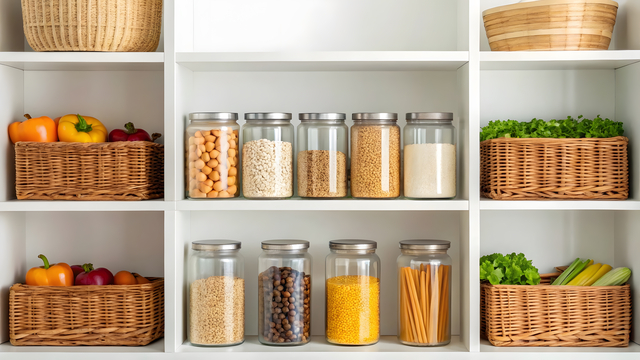
Small kitchen pantries require a systematic approach to maximize vertical and horizontal space. Most compact pantries can hold more items when organized with the right containers and storage methods. This guide covers methods to organize kitchen pantry storage using zones, vertical stacking, and clear visibility systems.
The steps below focus on practical layout changes and storage tools. Each method can be applied independently or combined based on available space and budget.
Clear and Assess Current Pantry Contents
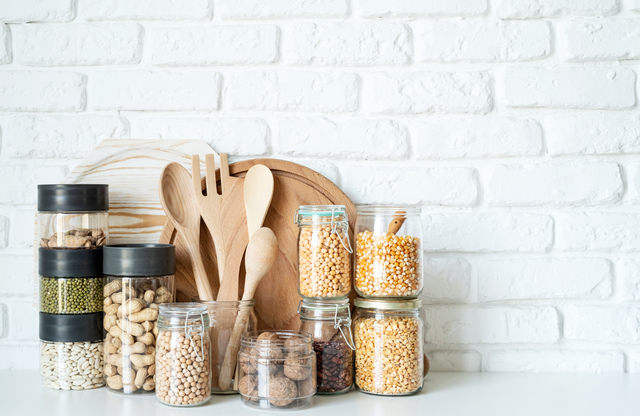
Remove all items from the pantry before organizing. This step reveals actual shelf dimensions and identifies expired or duplicate products.
Check expiration dates on all packaged foods. Discard items past their date or showing signs of spoilage. Group duplicates together to see quantities.
Wipe down shelves with a damp cloth. Allow surfaces to dry completely before placing items back. This prevents moisture buildup under containers.
Measure shelf height, width, and depth. Write down these dimensions. You will need them when selecting storage containers or additional shelving units.
Sort Items into Function-Based Zones
Group pantry items by use frequency and meal type. This reduces search time and prevents clutter from spreading.
Create four primary zones:
- Daily essentials – Coffee, tea, breakfast items, snacks
- Cooking staples – Oils, spices, baking supplies, goods
- Bulk or backup – Extra pasta, rice, paper goods
- Specialty items – Holiday baking, rarely used ingredients
Place daily essentials at eye level on the most accessible shelf. Store bulk items on the highest or lowest shelves. Keep cooking staples in the middle zone where they are visible but not in the way.
Do not mix zones. Once a shelf is designated for a category, keep only those items there.
Read More:
- 21 Ways to Organize a Small Kitchen on a Budget
- How to Organize Kitchen Drawers Without Dividers
- 15 Under-Sink Organization Tips for Pipes That Block Storage
Use Clear Storage Containers
Transfer dry goods from original packaging into clear containers with airtight lids. This step saves space and improves visibility.
Choose rectangular or square containers over round ones. Square shapes use corner space more efficiently and stack without gaps.
Select containers in three sizes:
- Large (3–5 quarts) for flour, sugar, rice, pasta
- Medium (1–2 quarts) for oats, beans, snacks
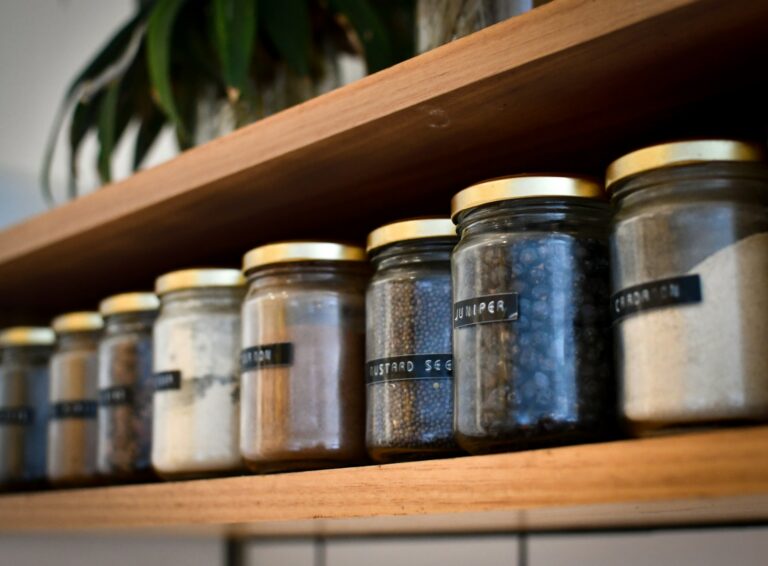
- Small (0.5–1 quart) for spices, baking powder, seeds
Label each container with the contents and expiration date. Use a label maker or waterproof marker. Place labels on the front and top for visibility from multiple angles.
Stack containers by frequency of use. Place items used weekly on top. Store less-used items in back rows or lower stacks.
Install Adjustable Shelving or Risers
Many pantries come with fixed shelves spaced too far apart. This creates wasted vertical space between items and the shelf above.
Add shelf risers to create two levels on a single shelf. Metal or plastic risers work for most pantry widths. Position risers toward the back and place shorter items in front.
Install adjustable shelving brackets if walls allow. Move shelves to custom heights based on container sizes. Most brackets adjust in 1-inch increments.
Check weight limits before installing. Standard wire shelving supports 50–75 pounds per shelf. Overloading can cause brackets to pull away from walls.
Related Post: 6 Fixes for Cabinets With Hard to Reach Corner Space
Add Door-Mounted Racks and Hooks
Pantry doors offer unused vertical storage for lightweight items. Over-the-door racks require no tools and hold spices, wraps, or small packets.
Choose racks with adjustable baskets or shelves. Position shallow baskets at eye level for frequently grabbed items like foil or plastic wrap.
Use adhesive hooks on the inside of the door for measuring cups, small bags, or aprons. Hooks rated for 1–2 pounds work for most kitchen tools.
Avoid overloading door racks. Excess weight can prevent the door from closing properly or damage hinges over time.
Organize Kitchen Pantry with Turning trays and Pull-Out Bins
Corner shelves and deep pantries create blind spots where items get lost. Rotating organizers bring back-row items forward without moving other containers.
Place turning trays on shelves to maximize reach. Choose turntables sized to fit the shelf depth minus 2 inches for clearance.
Use pull-out wire bins for root vegetables, onions, or potatoes. Bins with handles slide forward for full access. Install bins on lower shelves where bending is difficult.
Group similar container shapes on each lazy Susan. Place taller bottles toward the center and shorter jars around the edge for stability.
Apply Vertical Dividers for Baking Sheets and Lids
Flat items like baking sheets, cutting boards, and pot lids stack poorly and tip over. Vertical dividers keep them upright and separated.
Install tension rod dividers or metal file organizers on pantry shelves. Position dividers to create slots 1–2 inches wide.
Store items vertically in assigned slots. This method allows you to remove one item without disturbing the stack.
Label each slot if storing multiple categories. Use tape or small adhesive labels to mark sections for lids versus trays.
Use Baskets for Irregular-Shaped Items
Bags of chips, bread, and snack packages do not stack neatly. Wire or wicker baskets contain these items and prevent them from falling forward.
Choose baskets with handles for easy removal. Open-top baskets work for items used daily. Lidded baskets suit backup or seasonal items.
Place one category per basket. Options include:
- Bread and baked goods
- Snack bags and chips
- Tea boxes and coffee pods
- Baking mixes and seasoning packets
Store baskets on upper shelves if they are lightweight. Heavier baskets belong on lower shelves to prevent tipping.
Avoid Storing Heavy Items on High Shelves
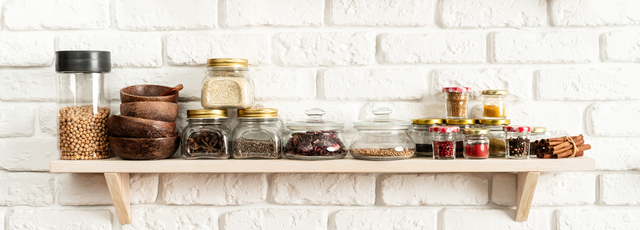
Place canned goods, glass jars, and bulk bags on shelves below shoulder height. Reaching overhead for heavy items increases the risk of drops and spills.
Reserve top shelves for lightweight, rarely used items like specialty flours or extra napkins. These items can be retrieved with a step stool as needed.
Do not stack more than two layers of canned goods. Triple-stacking creates instability and makes bottom cans difficult to retrieve.
Also Read: 15 Ways to Stop Pantry Shelves From Getting Messy
Rotate Stock Using First-In, First-Out Method
Place newly purchased items behind older ones of the same type. This ensures older products get used before expiration.
Check dates when unloading groceries. Move items with the nearest expiration to the front row. Push back items with later dates.
Use masking tape to mark purchase dates on bulk items without printed dates. This helps track freshness for opened bags of flour, rice, or nuts.
Conduct a monthly review of pantry zones. Remove expired items and consolidate partial containers to free up space.
Set Boundaries for Non-Food Items
Small pantries cannot accommodate cleaning supplies, pet food, or appliances without crowding food storage. Designate separate storage for these categories.
Store cleaning products under the kitchen sink or in a utility closet. Keep pet food in a separate bin or cabinet to prevent cross-contamination.
Limit small appliances in the pantry to those used weekly. Move occasional-use items like waffle makers or fondue pots to a different cabinet or garage storage.
Do not store anything that requires ventilation in a closed pantry. This includes litter boxes, trash bins, or anything that generates odors.
Maintain Organization with Weekly Resets
Spend 5–10 minutes each week returning items to their assigned zones. This prevents gradual disorganization and keeps the system functional.
Wipe up spills immediately to prevent sticky buildup on shelves. Check for signs of pests like small holes in packages or droppings.
Adjust zones as your cooking habits change. If a category grows too large for its assigned shelf, reassign space or consolidate other categories.
Keep a running grocery list on the pantry door. Note when staples run low to avoid overbuying or running out unexpectedly.
For more helpful tips, check out our organization section.