How to Organize Kitchen Utensils for Daily Cooking
This site contains affiliate links, view the disclosure for more information.
Efficient kitchen workflow depends on having utensils within easy reach. When you organize kitchen utensils by frequency of use and task type, meal preparation becomes faster and less cluttered. Most home cooks can reduce search time with a systematic approach to utensil placement.
This guide covers drawer dividers, countertop storage, and zone-based systems. Each method works for standard kitchen layouts and requires minimal investment. You can implement most strategies in 30-60 minutes.
Sort Utensils by Daily Use Frequency
Start by removing all utensils from drawers and containers. Place them on a clean counter or table. Group items you use at least once per day separately from weekly-use and occasional-use tools.
Daily-use items typically include:
- Wooden spoons
- Spatulas (metal and silicone)
- Tongs
- Measuring spoons
- Vegetable peeler
Weekly-use items often include whisks, ladles, and serving spoons. Occasional-use tools include specialty items like melon ballers or pastry blenders. This sorting step determines your storage priorities.
Discard broken utensils or duplicates you do not need. Keep only items you have used in the past six months.
Create a Primary Cooking Zone Near the Stove
The most efficient placement for daily utensils is within 18-24 inches of your stove or primary cooking surface. This zone reduces movement during active cooking. It prevents cross-contamination from touching cabinet handles with wet or greasy hands.
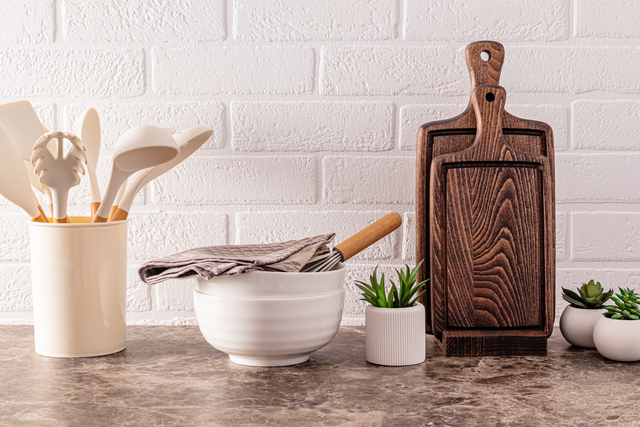
Use a countertop crock or utensil holder for your five to seven most-used tools. Choose a container at least 5 inches tall and 4 inches in diameter. Ceramic or stainless steel options provide stability and easy cleaning.
Place the heaviest utensils (metal spoons, large spatulas) toward the back of the container. Lighter items go in front for easier access. Do not overcrowd the holder—tools should lift out without catching on others.
Organize Kitchen Utensils in Drawers with Dividers
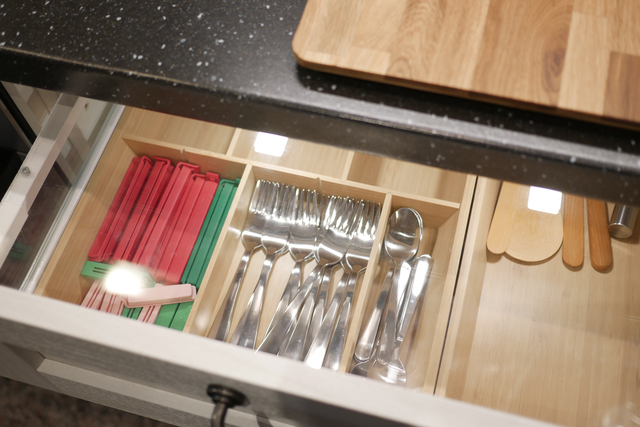
Drawer storage works best for flat utensils and items you use several times per week. Install adjustable dividers or purchase a pre-sized organizer tray. Most kitchen drawers measure 12-18 inches wide and accommodate standard organizer dimensions.
Arrange utensils by category within sections:
- Section 1: Measuring tools (spoons, cups)
- Section 2: Cutting and peeling tools
- Section 3: Mixing and stirring tools
- Section 4: Serving utensils
Place the most-used section toward the front-right of the drawer (or front-left if you are left-handed). This position allows quick access without fully opening the drawer. Reserve deeper drawer areas for bulkier items like rolling pins or large whisks.
Use Bamboo or Plastic Dividers for Adjustability
Bamboo dividers fit drawers 13-17 inches wide and expand with spring-loaded tension. Plastic dividers often come in fixed sizes but stack for custom depth. Both materials clean easily and resist moisture damage.
Install dividers before returning utensils to the drawer. Test that each section holds items without sliding or tipping. Adjust spacing if smaller tools fall through gaps.
Related Post: 6 Fixes for Cabinets With Hard to Reach Corner Space
Install a Magnetic Strip for Metal Tools
A wall-mounted magnetic strip stores knives and metal utensils vertically. This method frees drawer space and displays tools for quick identification. Strips work best on wall areas 12-18 inches above the counter and 24-36 inches long.
Mount the strip into wall studs using the provided hardware. Use a stud finder to locate secure mounting points—magnetic strips holding multiple tools require strong support. If studs are not available at your preferred location, use heavy-duty drywall anchors rated for at least 20 pounds.
Arrange tools by size, with longer items toward one end. Leave at least 1 inch of space between each utensil for easy removal. This setup works only for metal tools without plastic or wooden handles that outweigh the magnetic grip.
Group Utensils by Cooking Task
Task-based grouping reduces the mental load during meal preparation. You gather all needed tools in one motion rather than searching multiple locations. This system works well if you cook specific meal types repeatedly (stir-fries, baking, grilling).
Create task-specific groups:
- Baking zone: Whisks, measuring cups, spatulas, pastry brushes
- Prep zone: Peelers, paring knives, cutting boards, graters
- Stovetop zone: Wooden spoons, tongs, ladles, slotted spoons
- Serving zone: Large spoons, forks, serving tongs
Store each group in separate drawer sections or containers. Label sections if multiple people use the kitchen. This organization method works best for kitchens with at least two drawers or one drawer plus countertop storage.
Store Long-Handled Tools Horizontally or in Deep Containers
Spatulas, ladles, and large spoons with handles over 12 inches do not fit well in standard utensil crocks. Use a deep cylindrical container (at least 7 inches tall) or store them horizontally in a wide drawer. Wide drawers measuring 18-24 inches accommodate long tools laid side by side.
If using a deep container, place it near the stove but slightly behind the primary utensil holder. This prevents tip-over from accidental contact. Weight the bottom with dry rice or beans if the container feels unstable when empty.
For horizontal storage, use drawer dividers to separate long tools from shorter items. Nest similar items (multiple spatulas together) to maximize space.
Separate Sharp Tools from General Utensils
Knives, scissors, and tools with sharp edges require isolated storage. This prevents accidental cuts when reaching into drawers quickly. It also protects blade edges from dulling against other metal surfaces.
Use an in-drawer knife block or dedicated knife strip. In-drawer blocks hold knives blade-down and fit drawers at least 3 inches deep. They typically accommodate 5-7 knives in slots sized for specific blade widths.
Store kitchen scissors in a separate section or with sharp points facing downward. Never mix sharp tools with wooden spoons or spatulas in the same undivided space.
Read More:
- 21 Ways to Organize a Small Kitchen on a Budget
- How to Organize Kitchen Drawers Without Dividers
- 15 Under-Sink Organization Tips for Pipes That Block Storage
Consider Material-Specific Storage Requirements
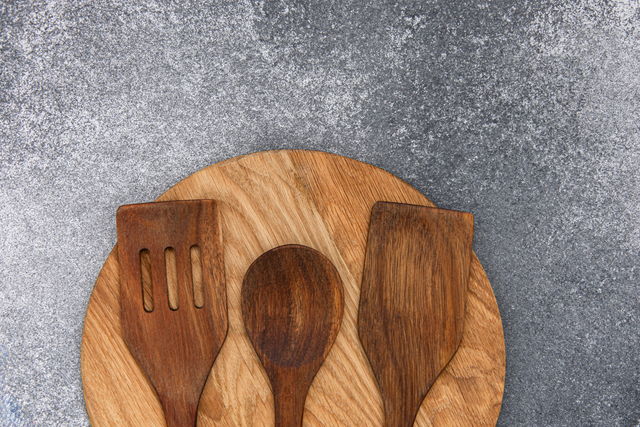
Different utensil materials require different storage conditions to prevent damage. Wood absorbs moisture and can crack if stored in humid areas. Silicone warps under heavy weight. Metal scratches when utensils rub together repeatedly.
Wood and Bamboo Tools
Store wooden utensils in dry drawers or countertop holders. Avoid locations near the sink or dishwasher where steam accumulates. Do not stack heavy items on top of wooden spoons in drawers. Oil wooden tools every 4-6 weeks to prevent cracking.
Silicone Utensils
Keep silicone spatulas and spoons away from direct heat sources. Do not store them in drawers directly under the oven or against heating vents. Silicone tolerates drawer storage well but should not support the weight of cast iron or heavy ceramic items.
Stainless Steel and Metal Tools
Metal utensils can scratch each other when stored loose in drawers. Use felt-lined dividers or place a thin drawer liner under metal sections. Clean metal tools thoroughly before storage to prevent rust in humid environments.
Also Read: 15 Ways to Stop Pantry Shelves From Getting Messy
Maintain Clear Boundaries for Specialty Tools
Specialty utensils used less than once per month do not belong in primary cooking zones. Store these items in upper cabinets, a pantry, or a secondary drawer away from the stove.
Label containers or shelves for specialty items if you own more than ten. This prevents re-purchasing tools you already own but cannot locate. Review specialty tool storage twice per year and donate items unused for 12+ months.
Keep countertops limited to 5-10 utensils maximum. More items increase visual clutter and reduce usable workspace. If you find yourself reaching for a drawer-stored tool daily for two weeks, promote it to countertop storage.
Reset Your Organization System Quarterly
Kitchen needs change with seasons, family size, and cooking habits. Every three months, remove utensils from storage and repeat the frequency-sorting process. Demote tools you have not used recently to secondary storage.
Clean drawer dividers and utensil holders during quarterly resets. Remove crumbs, oils, and residue that accumulate in corners. Check that magnetic strips remain securely mounted and adjust any loose dividers.
This maintenance cycle keeps your system aligned with actual use patterns. It prevents gradual drift back into disorganized storage.
For more helpful tips, check out our organization section.