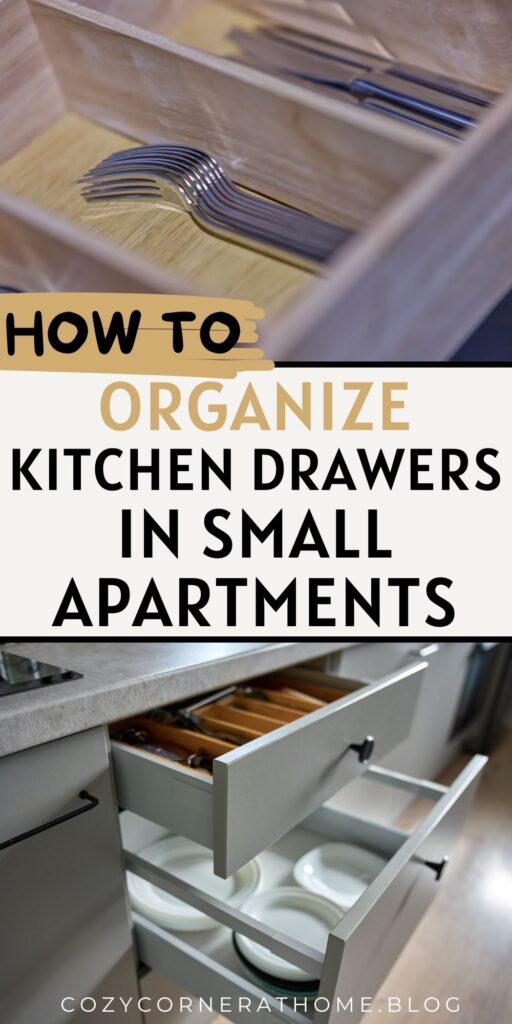
How to Organize Kitchen Drawers in Small Apartments
This site contains affiliate links, view the disclosure for more information.
Small apartment kitchens present unique storage challenges. Kitchen drawers often become cluttered quickly when space is limited. Learning how to organize kitchen drawers efficiently can maximize your available storage and improve daily function.
This guide covers practical methods for organizing kitchen drawers in compact spaces. You will find step-by-step instructions for sorting, storing, and maintaining drawer organization. Each method uses tools and techniques suited to small-footprint kitchens.
Empty and Sort All Drawer Contents First
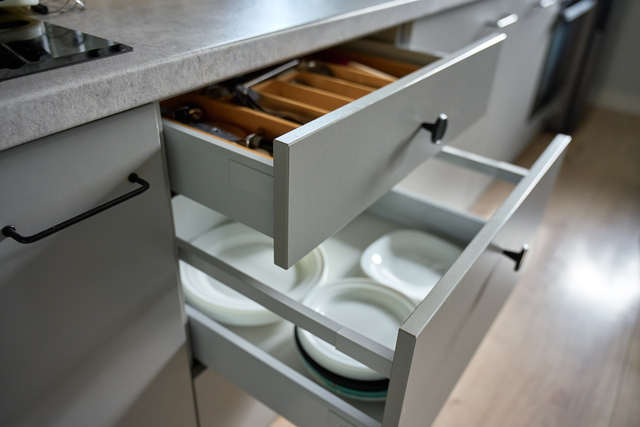
Remove everything from all kitchen drawers before organizing. Place items on a counter or table where you can see them clearly. This step reveals what you actually own and use.
Sort items into categories as you remove them. Common categories include utensils, cooking tools, food storage items, and miscellaneous kitchen supplies. Discard broken items and set aside duplicates you don’t need.
Wipe down empty drawers with a damp cloth. Allow drawers to dry completely before adding organizers or items. This prevents odors and keeps drawer bottoms clean.
Measure Drawer Dimensions Before Buying Organizers
Measure the interior width, depth, and height of each drawer. Write down these measurements before shopping for organizers. Small apartment drawers often have non-standard dimensions.
Check for obstructions inside drawers. Some drawers have hardware, ridges, or uneven bottoms that affect usable space. Account for these when selecting organizers.
Bring measurements when shopping or refer to them when ordering online. Organizers that don’t fit waste money and delay the process.
Use Adjustable Drawer Dividers for Flexibility
Adjustable dividers work well in small kitchens where needs change over time. Spring-loaded dividers expand to fit drawer width without tools or adhesive. They can be repositioned as your storage needs shift.
Install dividers to create separate sections for different item types. Place frequently used items in the front or most accessible sections. Store less-used items toward the back.
Bamboo or plastic dividers both function well. Choose based on your budget and aesthetic preference. Both materials clean easily and resist moisture.
Organize Kitchen Drawers by Use Frequency
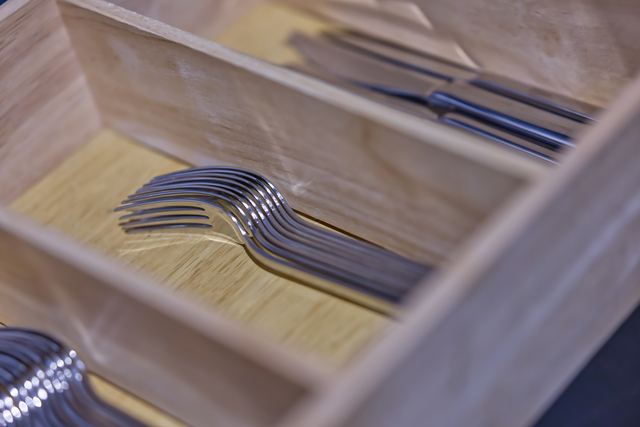
Assign your most accessible drawer to daily-use items. Utensils like spoons, forks, and knives used for eating should go here. A standard utensil tray fits most small apartment drawers.
Place cooking utensils in a secondary drawer. Spatulas, wooden spoons, whisks, and tongs fall into this category. Use a divided organizer or separate containers to keep them upright and accessible.
Store specialty tools and occasional-use items in less convenient drawers. Examples include meat thermometers, vegetable peelers, or holiday cookie cutters. This prioritization keeps everyday tasks efficient.
Read More:
- How to Organize Kitchen Wooden Spoons and Spatulas
- How to Organize Kitchen Cabinets in Small Spaces
- How to Organize Kitchen Utensils in a Messy Drawer
Stack Items Vertically to Save Drawer Space
Standing items vertically uses drawer height instead of only horizontal space. Cutting boards, baking sheets, and pot lids can be stored on edge rather than flat.
Use tension dividers or vertical organizers designed for this purpose. These create slots that hold items upright and prevent them from falling over. This method can double or triple capacity for flat items.
Small containers or bins can also be stacked inside deeper drawers. Choose containers with similar footprints that nest securely. Label stacked containers if contents aren’t visible.
Dedicate One Drawer to Food Storage Containers
Consolidate all food storage containers and lids in a single drawer. This prevents containers from scattering across multiple drawers. Match lids to containers and discard any without partners.
Nest containers by size to minimize space. Store lids separately in a lid organizer or stack them vertically in a magazine holder. This keeps lids accessible without creating a jumbled pile.
Avoid overstuffing this drawer. Too many containers make it difficult to remove what you need. Keep only the sizes you use regularly.
Also Read: 7 Fixes for Kitchen Drawers That Overfill Too Easily
Use Shallow Trays for Small Items
Small items like bag clips, twist ties, and corn holders get lost in large drawers. Place them in shallow trays or small bins within the drawer. This contains them and makes them easier to find.
Group similar small items together. One tray might hold measuring spoons and small gadgets. Another might hold rubber bands and twist ties. Clear trays let you see contents without opening.
Place these trays toward the front of the drawer. Small items are often needed quickly during food prep.
Add Drawer Liners for Stability and Protection
Non-slip drawer liners prevent organizers from sliding when you open and close drawers. They also protect drawer bottoms from scratches and moisture. Cut liners to fit your exact drawer dimensions.
Choose rubberized or cork liners for best grip. Paper liners look clean but don’t prevent movement. Avoid scented liners in food-adjacent drawers.
Replace liners when they become stained or worn. Most liners can be wiped clean with a damp cloth.
Limit Drawer Contents to Current Essentials
Small apartment drawers cannot hold everything you own. Keep only items you use at least monthly. Store seasonal or specialty items elsewhere, such as in upper cabinets or a pantry.
Evaluate items honestly. Duplicate tools, single-use gadgets, and promotional items often take up space without adding value. Donate or discard these to free up room.
Revisit drawer contents every few months. Needs change, and items accumulate over time. Regular editing maintains function.
Related Post: 6 Fixes for Cabinets With Hard to Reach Corner Space
Maintain Organization with Consistent Habits
Return items to their assigned spots after each use. This habit prevents drawers from becoming disorganized again. It takes seconds and preserves the system you created.
Do a quick drawer check weekly. Remove any items that don’t belong and wipe up spills or crumbs. This prevents buildup and keeps drawers functional.
Adjust your system if it isn’t working. Organization methods should make your life easier, not create extra work. If you consistently find items in the wrong place, reconsider your layout.
Avoid Common Drawer Organization Mistakes
Don’t buy organizers before measuring and sorting. This leads to ill-fitting products and wasted money. Complete the sorting and measuring steps first.
Don’t pack drawers too tightly. You should be able to open them smoothly and remove items without shifting other contents. Overstuffed drawers are frustrating and defeat the purpose of organizing.
Don’t mix categories unnecessarily. Keep cooking tools separate from eating utensils and food storage items. Clear categories make finding items faster and reduce clutter.
For more helpful tips, check out our organization section.