16 Pantry Storage Ideas for Pasta
This site contains affiliate links, view the disclosure for more information.
Pantry storage problems often start with pasta. Bags split open, boxes fall over, and half-used packages lose their clips. Most kitchens lack a dedicated system for storing multiple pasta shapes, sizes, and quantities together.
Multiple organization systems often work better than one. A single shelf cannot handle long spaghetti, wide lasagna sheets, and small elbow macaroni at the same time. Therefore, most well-organized pantries combine containers, racks, and drawer solutions to manage different formats efficiently.
This guide covers 16 practical pantry storage methods specifically suited to pasta. Each method addresses a different storage constraint, space type, or pasta format. These solutions apply to both small and large pantries, open shelving, and cabinet interiors.
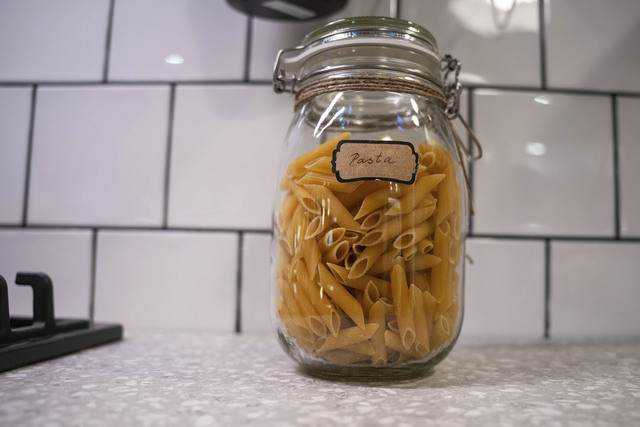
Clear Airtight Containers for Pantry Storage
Clear airtight containers keep pasta fresh and visible at the same time. They allow anyone to check contents and quantity without opening the lid. Typically, these containers come in cylindrical or rectangular shapes that stack efficiently on shelves.
They seal out moisture and pests and come in glass or BPA-free plastic options. However, long pasta such as spaghetti or fettuccine requires tall, narrow containers. Standard wide containers do not accommodate these shapes without breaking the pasta. Containers above 12 inches tall may not fit on standard pantry shelves with limited vertical clearance.
Labeled Bins for Pantry Storage Organization
Labeled bins group pasta by type, brand, or frequency of use. Clear labeling reduces the time spent searching through multiple packages. Additionally, bins help contain loose bags that would otherwise shift and fall.
Bins work well on deep shelves where items at the back become hard to reach. Pulling a bin forward retrieves everything inside it at once. This method suits families who buy pasta in bulk or keep several varieties on hand simultaneously. Bins with no lip or edge retention may allow loose packages to slide out on angled shelves.
Turning Trays for Corner Pantry Shelves
A turning tray places all pasta within reach without requiring repositioning of other items. Rotating the surface brings back-row items forward instantly. Typically, turning trays suit corner pantry shelves where depth creates dead zones.
They come in single-tier and double-tier designs with diameters ranging from 9 to 18 inches. Non-slip bases prevent spinning during retrieval. Double-tier models add height and may not clear the shelf above if vertical spacing runs under 12 inches.
Tall Airtight Canisters for Long Pasta Shapes
Long pasta shapes such as spaghetti, linguine, and bucatini require vertical storage. Tall airtight canisters hold these shapes upright without bending or breaking. Also, standing pasta vertically makes it easier to assess remaining quantity at a glance.
Canisters with wide openings simplify loading and unloading without snapping pasta. Glass canisters allow visibility but add significant weight when full. Therefore, heavy glass canisters suit lower pantry shelves more reliably than upper ones. Heights typically range from 10 to 14 inches, and some models include measurement markings on the side. Place heavy glass canisters on lower shelves only to prevent tipping hazards.
Over-the-Door Organizers for Small Pantry Spaces
Over-the-door organizers use the back of the pantry door as additional storage real estate. Shallow pockets or wire baskets hold pasta boxes and bags without consuming shelf space. Additionally, this solution works particularly well in narrow pantries where every shelf inch counts.
Most door organizers attach via hooks that fit over the door frame. The total weight capacity of these organizers typically ranges from 10 to 25 pounds. As a result, heavier glass containers or large bulk bags may exceed safe loading limits for standard door-mounted hardware. Over-the-door systems require at least 2 inches of clearance between the door and the nearest shelf to hang without obstruction.
Pull-Out Pantry Drawers for Deep Cabinet Storage
Pull-out drawers solve the dead-space problem on deep pantry shelves. They allow the full depth of a shelf to remain accessible without reaching into the back. Typically, these drawers slide on mounted rails attached to the shelf surface or cabinet frame.
They come as freestanding units or cabinet-mounted systems with load capacities varying between 15 and 50 pounds per drawer. Wire and solid-base versions suit different item types depending on what the pantry holds. Installing cabinet-mounted pull-out drawers requires a shelf depth of at least 14 inches and compatible cabinet framing.
Read More: How to Organize Kitchen Drawers in Small Apartments
Shelf Risers for Maximizing Vertical Pantry Space
Shelf risers create a second tier on a single shelf surface. They allow shorter pasta boxes to stack without blocking taller items behind them. Also, risers give each item its own visible front row position, which reduces searching time.
Risers come in wire, bamboo, and coated metal materials. Wire versions allow air circulation, while solid risers provide a more stable base for rounded containers. However, risers reduce available shelf height above the items placed on them, which can limit what fits on the shelf overhead. Standard widths range from 10 to 24 inches, and non-slip feet prevent shifting under load. Risers do not anchor to the shelf and may shift on smooth surfaces without grip pads.
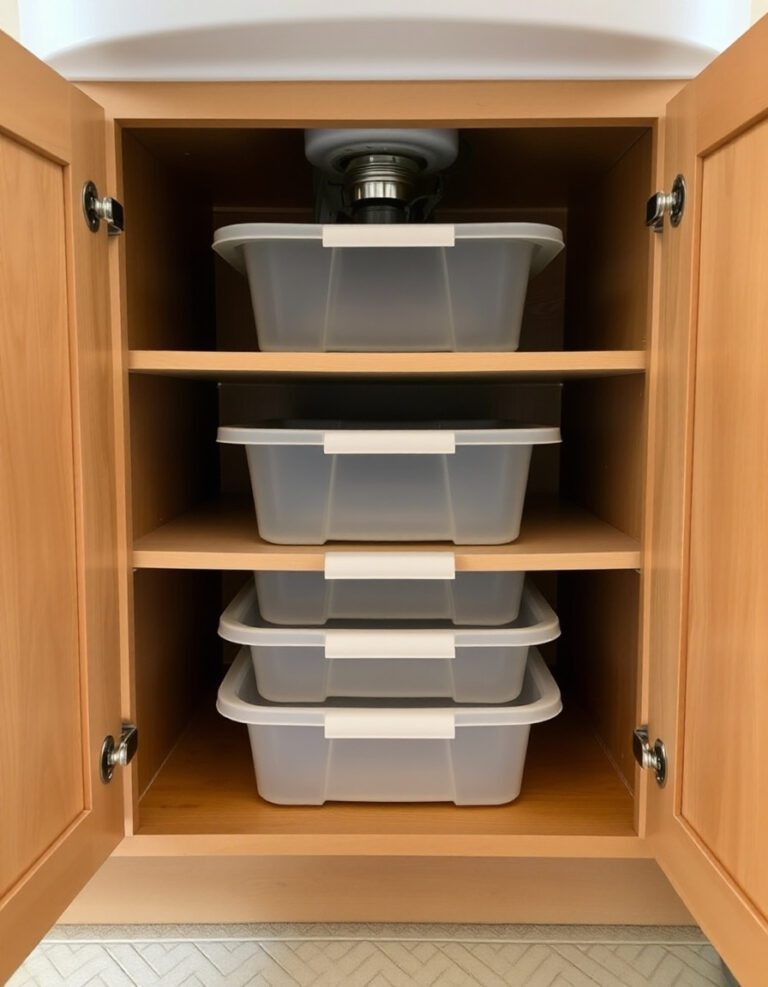
Stackable Modular Containers for Uniform Pantry Shelves
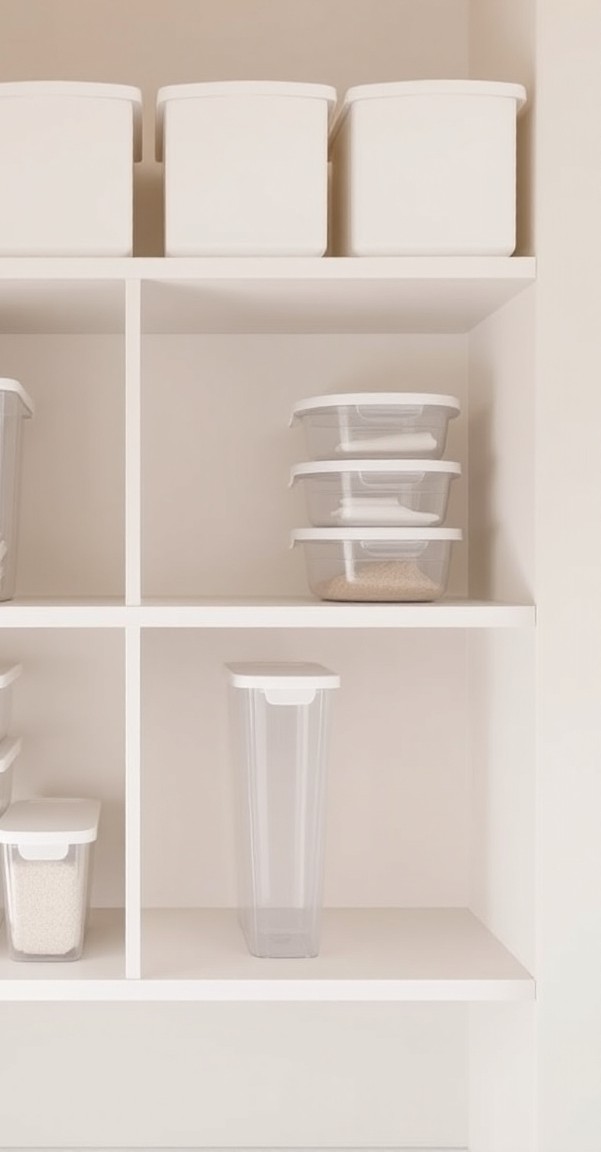
Stackable modular containers create a uniform, space-efficient grid on pantry shelves. Each container occupies a predictable footprint, making it easy to plan shelf layouts in advance. Similarly, matching sizes across a full pasta collection eliminate wasted gaps between mismatched packages.
Interlock systems prevent shifting during stacking, and square shapes use shelf space more efficiently than round ones. Sets often include multiple sizes for short and long pasta varieties. Modular systems require purchasing enough units to fill the shelf consistently, and mixing brands often breaks the stacking interface.
Wire Shelf Baskets for Open Pantry Shelving
Wire shelf baskets mount under existing shelves to create bonus storage below the shelf surface. They hold smaller pasta packages, seasoning packets, or flat boxes that would otherwise take up shelf space. Additionally, the open wire design keeps contents visible without adding visual bulk.
These baskets attach via spring clips or slide-on rails, and most accommodate items up to 5 pounds per basket. Therefore, they suit light pasta bags and small boxes rather than heavy glass containers or bulk quantities. Wire baskets mounted below shelves reduce the usable height underneath, which may affect what fits on the shelf below.
Related Post: How to Organize Kitchen Drawers Without Dividers
Vacuum-Seal Bags for Bulk Pasta Storage
Vacuum-seal bags remove air and compress pasta packaging into a smaller footprint. They extend shelf life by reducing oxidation and moisture exposure. Also, compressed bags stack flat and fit into smaller spaces than standard packaging allows.
- Reusable bags offer a cost-effective long-term option
- Multiple sizes accommodate different pasta quantities
- Compatible with both handheld and electric vacuum sealers
Always label vacuum-sealed bags with pasta type and seal date, as contents become difficult to identify once compressed. Vacuum sealing works best for pasta stored over 3 months. Frequent-use pasta does not benefit significantly from this method due to repeated opening and resealing cycles.
Pegboard Wall Systems for Pantry Wall Storage
Pegboard panels convert a flat pantry wall into a configurable storage surface. Hooks, bins, and small shelves attach directly to the pegboard grid at any position. Typically, pegboard suits pantries with unused wall space between shelves or adjacent to doorways.
- Standard pegboard uses 1/4-inch holes on 1-inch spacing
- Metal versions carry heavier loads than fiberboard
- Accessories include bins, hooks, and small shelf brackets
Pegboard requires wall anchoring into studs or with appropriate drywall anchors. Surface-mounted pegboard also adds 1 to 2 inches of depth off the wall, which reduces clearance in tight pantry layouts.
Drawer Dividers for Pantry Cabinet Drawers
Drawer dividers separate pasta types within a single drawer. They prevent bags and boxes from sliding into each other when the drawer opens. Additionally, dividers allow each pasta variety to occupy its own defined zone, which speeds up retrieval.
Adjustable dividers expand and contract to fit drawers of different widths. Fixed dividers offer more stability but require precise measurement before purchase. However, deep drawers may need taller dividers to keep upright packages from tipping sideways. Drawer dividers work best in drawers at least 3 inches deep and 12 inches wide to provide meaningful separation between categories.
Freestanding Pantry Shelving Units for Kitchen Storage
Freestanding shelving units add dedicated pasta storage without requiring installation. They stand independently and move when kitchen layouts change. Also, open shelves on freestanding units keep all pasta visible and reachable from multiple angles.
- Available in wood, metal, and wire constructions
- Widths range from 18 to 48 inches
- Adjustable shelf heights accommodate tall containers
Freestanding units require enough floor space to stand without blocking walkways, typically a minimum clearance of 36 inches in front of the unit for safe access.
Magnetic Spice-Style Containers for Small Pasta Shapes
Magnetic containers mount on metal surfaces such as refrigerator sides or magnetic pantry strips. They hold small pasta shapes like orzo, ditalini, and acini di pepe in compact, accessible pods. Similarly, this approach frees shelf space for larger pasta formats that cannot fit in small containers.
Each container holds approximately 1 to 2 cups of small pasta shapes and requires a flat metal mounting surface. Clear lids provide content visibility without removal. This method suits only small pasta shapes and holds insufficient quantities for households that cook with these pastas frequently in large amounts.
Read More:
- 15 Pot Lid Storage Solutions for Standard Cabinets
- 18 Pantry Storage Ideas for Narrow Spaces That Feel Small
- 14 Ways to Organize Open Shelves in the Kitchen
- 21 Ways to Organize a Small Kitchen on a Budget
Pantry Door Spice Racks Repurposed for Small Pasta Bags
Door-mounted spice racks hold narrow pasta bags and small boxes when repurposed for pantry storage. The shallow shelves keep items visible and organized in a single vertical column. Also, this method makes efficient use of door space that often remains empty in standard pantry setups.
Spice rack shelves typically measure 2 to 3 inches in depth, which limits them to slim packaging such as thin pasta bags and standard-width boxes. Therefore, wider or bulkier pasta packaging will not fit securely on standard spice-rack shelving without tipping forward. The weight limit per shelf on most door-mounted spice racks ranges from 2 to 5 pounds, which restricts use to lighter pasta packages only.
Decanted Jars on Open Shelves for Pantry Display Storage
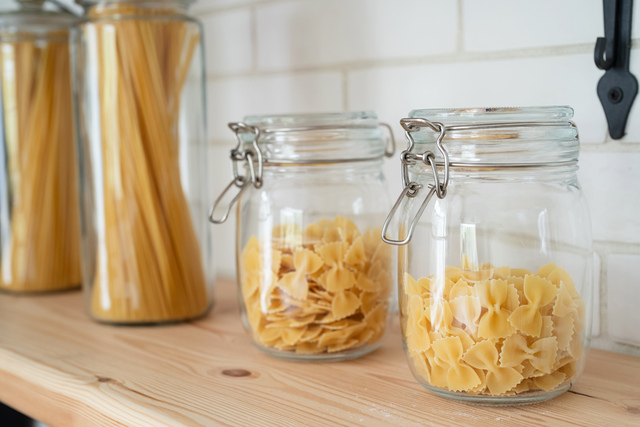
Decanting pasta into matching jars creates a consistent, organized look on open pantry shelves. Each jar holds one pasta variety and identifies it through a label or visible content. Additionally, jars protect pasta from humidity exposure better than loosely clipped bags on open shelves.
Wide-mouth mason jars and purpose-made pantry jars both work for this method. Glass jars show pasta shape clearly and allow quick quantity checks. However, glass jar collections add substantial weight to shelving, and shelves must support the combined load of full jars across their entire span.
- Common jar sizes range from 16 oz to 64 oz
- Airtight lids preserve freshness more effectively than decorative lids
- Uniform jar sizing simplifies shelf spacing and labeling
Ensure open shelving units support at least 20 pounds per linear foot before loading multiple filled glass jars. Open-shelf jar storage exposes pasta to light over time, which can gradually degrade quality in jars without UV-protective glass.
For more helpful tips, check out our storage section.