18 Apartment Organization Ideas for Compact Living
This site contains affiliate links, view the disclosure for more information.
Small apartments have limited storage space, and that shortage becomes most visible in kitchens, bathrooms, and closets. Clutter accumulates quickly when there are no dedicated systems to contain everyday items. Apartment organization ideas that work in one area often fail in another due to differences in cabinet depth, wall material, and available floor space.
No single storage system solves every organizational problem in a compact home. Different zones require different approaches — a kitchen cabinet handles weight differently than a bathroom vanity. Multiple systems working together typically produce more stable, functional results than relying on one method throughout.
This guide covers vertical storage, stackable systems, pull-out organizers, door-mounted options, under-sink solutions, and small-cabinet methods. Each approach applies to specific spatial constraints common in studio, one-bedroom, and two-bedroom apartments.
Vertical Wall Shelving for Apartment Organization Ideas
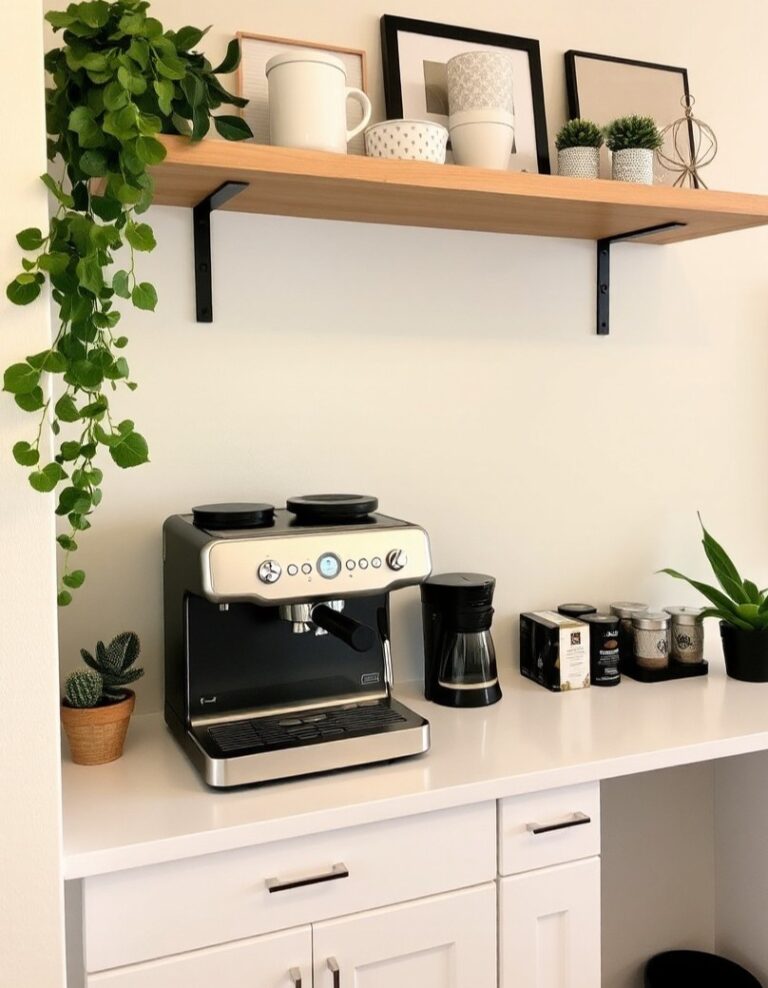
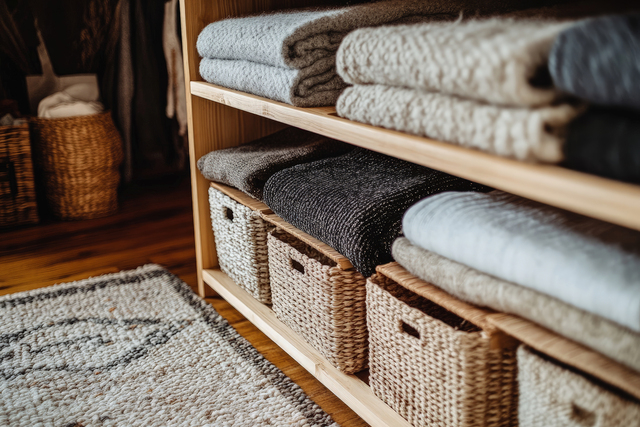
Vertical shelving uses wall height rather than floor area. Shelves mounted between 12 and 84 inches high can hold items that would otherwise occupy counter space. Standard floating shelves support between 20 and 50 pounds per bracket depending on wall anchor type.
Drywall anchors support lighter loads. Stud-mounted brackets are required for shelves holding more than 30 pounds. Rental apartments may restrict permanent wall mounting — check lease terms before installing.
Over-Door Organizers for Vertical Storage
Over-door organizers hang from the top of a door without screws or wall anchors. They fit doors between 1.25 and 1.75 inches thick in most standard configurations. These units are common in pantries, bedroom closets, and bathroom doors.
Key features:
- Wire or pocket styles available
- Typical depth: 3–6 inches
- Weight limit: 10–25 pounds total
Door clearance must be verified before installation. Units that add depth may prevent doors from closing flush against door stops.
Tension Rod Dividers in Deep Cabinets
Tension rods install horizontally inside cabinets without hardware. They create vertical dividers for baking sheets, cutting boards, and trays. Standard tension rods fit cabinet interiors between 11 and 20 inches wide.
Rods hold position through spring tension against cabinet walls. They can shift under heavy or uneven loads. This method works best for flat, lightweight items rather than rounded or heavy ones.
Stackable Bin Systems for Small Apartments
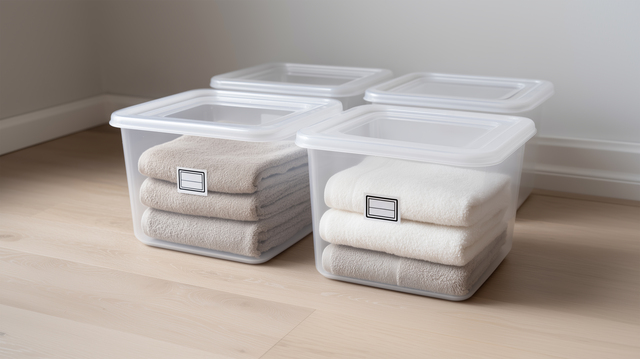
Stackable bins expand storage capacity within an existing footprint. They are typically made from polypropylene, wire, or bamboo. Bins stack in columns up to four or five units high depending on design.
Common dimensions:
- Width: 6–14 inches
- Depth: 6–12 inches
- Height per unit: 4–8 inches
Stacked bins over 36 inches tall can become unstable on uneven surfaces. Bins without interlocking bases require a flat, level shelf or floor surface.
Pull-Out Cabinet Drawers for Apartment Storage
Pull-out drawers install inside existing cabinets using slide rails. They bring rear cabinet contents to the front without requiring users to reach or crouch. Most pull-out systems fit cabinets between 9 and 36 inches wide.
Installation requires drilling into cabinet floors or side walls. Cabinets with existing shelving may need shelf removal first. Pull-out drawers must not exceed the load rating printed on the slide hardware — overloading rails causes failure.
Turning Trays for Corner Cabinet Organization
Turning trays rotate 360 degrees inside corner cabinets. They prevent items from becoming inaccessible at the back of deep corners. Standard diameters range from 18 to 32 inches.
Two-tier versions double vertical capacity within the same footprint. Cabinet depth must be at least 24 inches to accommodate a 18-inch turning tray without obstruction. Units installed in cabinets with center posts require split-ring models.
Under-Sink Pull-Out Organizers
Under-sink spaces typically contain plumbing pipes, disposal units, and shutoff valves. These obstacles prevent standard shelving from fitting flush. Pull-out organizers designed for under-sink use have notched bases that route around pipes.
Structural considerations:
- Notch clearance: typically 3–5 inches
- Cabinet floor material: particle board may not support heavy loads
- Pipe placement varies by unit — measure before purchasing
Most under-sink pull-outs fit cabinets 30–36 inches wide. Narrower cabinets under 24 inches may not accommodate standard notched units.
Adjustable Shelf Risers Inside Cabinets
Shelf risers sit on existing cabinet shelves to create two levels within one shelf space. They are available in plastic, metal, and bamboo. Riser height typically ranges from 3 to 6 inches.
Risers work well for dishes, canned goods, and folded textiles. They do not attach to shelves and can shift under uneven weight. Risers are not suitable for heavy items above 10 pounds per side.
Read More: 7 Deep Drawer Organization Ideas to Reduce clutter
Pegboard Wall Panels for Kitchen or Craft Areas
Pegboard mounts flat against a wall and accepts hooks, bins, and shelves through evenly spaced holes. Standard hole spacing is one inch on center. Panels come in 2×4 and 4×4 foot sections.
Pegboard must be mounted with standoff spacers — typically 1 to 1.5 inches — to allow hooks to insert properly. Without spacers, hooks cannot engage. Wall anchors must match wall type; drywall-only anchors will fail in plaster or tile walls.
Magnetic Strips for Kitchen Apartment Organization Ideas
Magnetic strips mount horizontally on walls and hold metal utensils, knives, and spice tins. They are a common apartment organization idea for kitchens with limited drawer space. Standard lengths range from 12 to 24 inches.
Strips require secure wall mounting — adhesive-only versions are not rated for knives. Stainless steel and high-carbon steel tools adhere well. Aluminum, ceramic, and plastic items do not respond to magnetic strips.
Hanging Pot Racks for Ceiling or Cabinet Mount
Hanging pot racks suspend cookware from hooks at ceiling height or underneath upper cabinets. Ceiling versions require joist attachment or heavy-duty anchors. Under-cabinet versions attach with screws to cabinet floors.
Ceiling clearance of at least 7 feet is needed to prevent head contact with hanging pots. Racks support between 30 and 50 pounds depending on mount type. Cast iron cookware typically exceeds safe capacity for under-cabinet models.
Stackable Clear Containers for Pantry Storage
Clear stackable containers allow contents to be identified without opening. They are commonly used for dry goods, grains, and snacks. Most are made from BPA-free polypropylene or borosilicate glass.
Glass containers are heavier and more fragile than plastic. They are not recommended for shelves above eye level due to fall risk. Airtight lids are required for flour, sugar, and other items susceptible to moisture or pests.
Read More:
- 21 Ways to Organize a Small Kitchen on a Budget
- How to Organize Kitchen Drawers Without Dividers
- 15 Under-Sink Organization Tips for Pipes That Block Storage
Over-Refrigerator Shelf Units
The space above a refrigerator is often unused in small kitchens. Freestanding shelf units designed for this space add one to two shelves of storage. Standard units fit refrigerators 30–36 inches wide.
These shelves are typically used for infrequently accessed items. Clearance between the refrigerator top and upper cabinets must be at least 12 inches for most units. Items stored here are not accessible without a step stool for most users.
Closet Doubler Rods for Hanging Storage
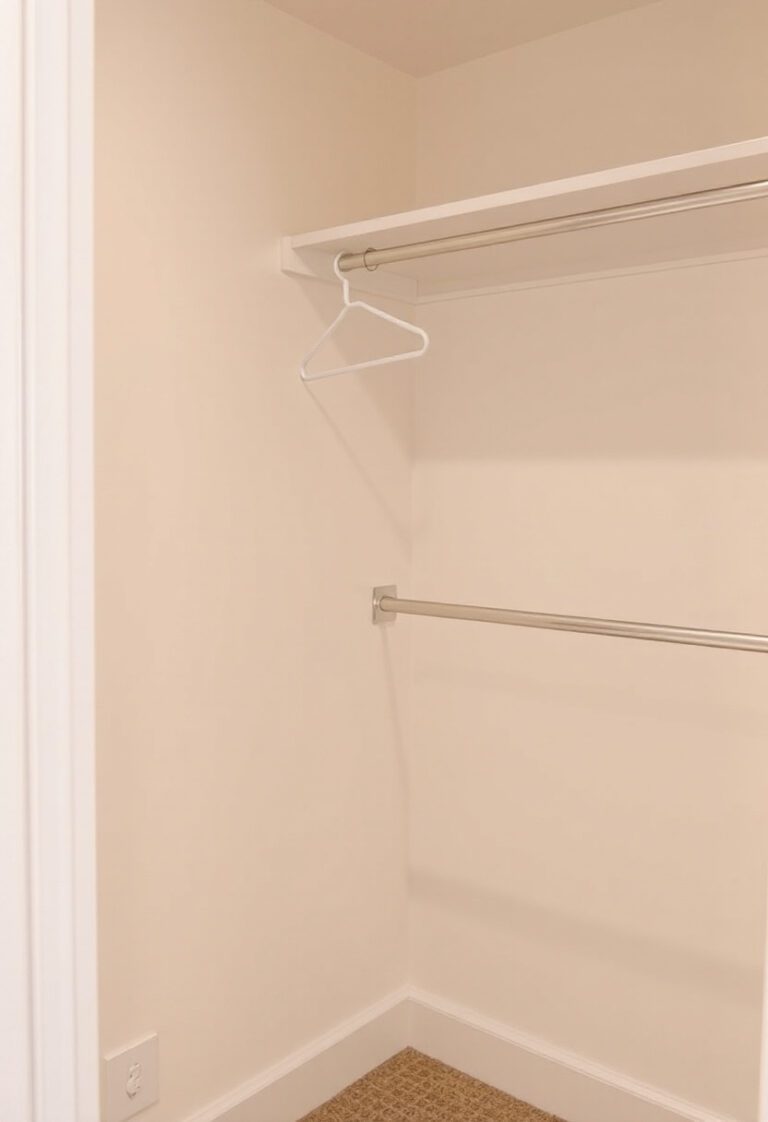
Closet doubler rods hang from existing single rods to create a second hanging level below. They are commonly used for shirts, jackets, and folded pants. Drop length is typically adjustable between 14 and 20 inches.
Doubler rods work only in closets with a single high rod. Closets with built-in double rods already installed do not have clearance for a third level. The existing rod must support the combined weight of both rods and all hanging items.
Drawer Dividers for Bedroom and Kitchen Drawers
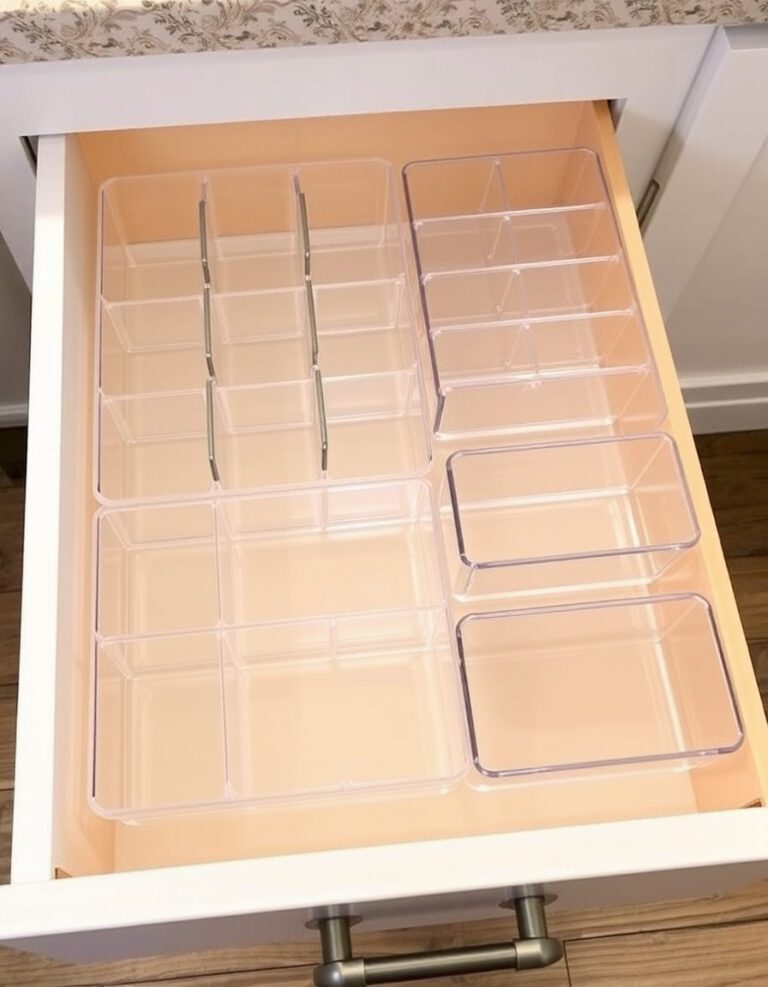
Drawer dividers create fixed or adjustable compartments within standard drawers. They prevent items from shifting and make contents visible at a glance. Most are made from bamboo, plastic, or spring-loaded plastic.
Spring-loaded dividers adjust from 12 to 22 inches in length. Bamboo versions are fixed-size and must match drawer depth within half an inch. Dividers do not increase drawer capacity — they only organize existing space.
Vacuum Storage Bags for Seasonal Textiles
Vacuum storage bags compress bulky items such as comforters, pillows, and winter clothing. They reduce volume by up to 75 percent depending on fill material. Bags require a standard vacuum cleaner with a hose attachment.
Down and feather items can be damaged by extended compression. Most manufacturers recommend storing compressed down for no more than six months. Bags stored under mattresses or on shelf bottoms must lie flat to maintain their seal.
Also Read: 18 Pantry Storage Ideas for Narrow Spaces That Feel Small
Adhesive Hook Systems for Renters
Adhesive hooks attach to walls using adhesive strips rated for specific weights. They are removable without wall damage when removed according to manufacturer instructions. Standard hooks hold between half a pound and 7.5 pounds.
Adhesive hooks must not be used on wallpaper, textured paint, or recently painted surfaces — adhesion fails on these materials. Weight ratings apply only when removed slowly at a 45-degree angle. Pulling straight outward from the wall exceeds the rated limit.
Bed Risers for Under-Bed Storage
Bed risers lift bed frames 3 to 8 inches above standard height. The space created beneath accommodates flat storage bins, boxes, or rolling drawers. Standard risers support between 1,000 and 1,800 pounds total depending on material.
Risers must contact all four legs evenly — uneven placement causes frame stress. Platform beds without separate legs are not compatible with standard risers. Beds raised beyond 8 inches create a fall hazard, particularly for children and elderly users.

For more helpful tips, check out our organization section.