How to Organize Kitchen Cabinets for Pots and Pans
This site contains affiliate links, view the disclosure for more information.
Pots and pans take up significant cabinet space and create clutter when stored inefficiently. Learning how to organize kitchen cabinets for these items reduces search time and prevents damage to cookware. Most kitchens can accommodate multiple storage methods depending on cabinet depth, height, and accessibility needs.
This guide covers preparation steps, storage systems, and material-specific considerations. Each method uses common household tools or low-cost organizers available at home improvement stores. Results depend on cabinet dimensions and the number of items being stored.
Remove All Items and Clean Cabinet Interior
Empty the cabinet completely before installing organizers or rearranging items. This step reveals cabinet dimensions and identifies damaged shelves or hardware that may need repair.
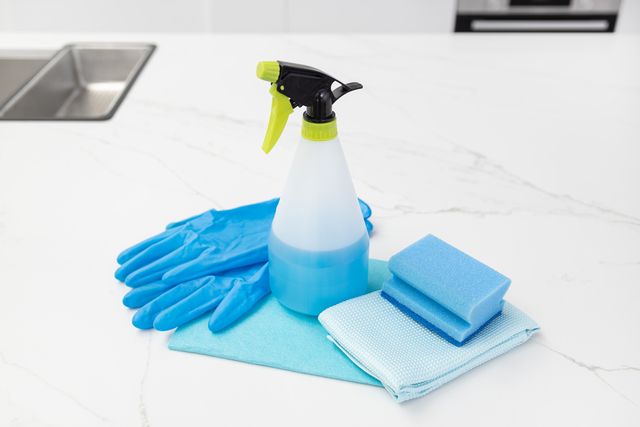
Wipe down all interior surfaces with a damp cloth. Remove crumbs, grease, or dust that can transfer to clean cookware. Check for moisture or signs of leaks near plumbing connections.
Measure cabinet width, depth, and height before purchasing organizers. Write down these dimensions to reference while shopping. Standard cabinets range from 12 to 36 inches wide, but custom cabinetry varies.
Sort Pots and Pans by Size and Frequency of Use
Group items into categories: daily use, weekly use, and occasional use. Daily-use items should occupy the most accessible cabinet space at waist or chest height.
Stack pots by diameter from largest to smallest. Place lids in a separate pile for now. Remove any cookware with warped bases, damaged non-stick coatings, or missing handles.
Count the number of items in each category. Most households use 3 to 5 pots and pans regularly. Storing more than 10 pieces in a single cabinet often requires vertical dividers or tiered organizers.
Also Read: 19 Ways to Organize Kitchen Under the Sink for Easy Access
Install a Pull-Out Drawer Organizer for Deep Cabinets
Pull-out drawer systems work well in cabinets 18 inches deep or more. These organizers allow access to items stored at the back without removing front pieces.
Choose a Drawer System Based on Weight Capacity
Heavy-duty ball-bearing slides support 75 to 100 pounds. This capacity handles cast iron cookware and stacked pots. Lighter slides rated for 35 to 50 pounds work for aluminum or stainless steel pieces.
Purchase a drawer kit that matches cabinet width. Most kits include mounting brackets and screws. Installation requires a drill, level, and measuring tape.
Mount the Drawer Frame to Cabinet Sides
Mark mounting holes on both cabinet walls at the same height. Use a level to ensure the frame sits evenly. Uneven mounting causes the drawer to stick or tilt when extended.
Drill pilot holes before inserting screws. This step prevents wood from splitting in older cabinets. Attach the drawer glides to the frame according to manufacturer instructions.
Test the drawer by pulling it fully extended and pushing it closed. The mechanism should move smoothly without resistance. Adjust mounting screws if needed.
Use Vertical Dividers to Separate Lids and Flat Pans
Vertical dividers create slots that hold items upright. This method works in cabinets with at least 12 inches of height and prevents stacking damage to non-stick surfaces.
Install Adjustable Tension Rods for Quick Setup
Tension rods fit between cabinet walls without drilling. Place two rods parallel to each other, spaced 2 to 3 inches apart. Slide lids or baking sheets into the gap.
This method holds lightweight items only. Heavy cast iron lids can bend tension rods over time. Use this system for aluminum or glass lids.
Mount Fixed Dividers for Heavier Cookware
Fixed dividers attach to cabinet shelves with screws or adhesive. These organizers handle heavier items like Dutch ovens and roasting pans. Most models include 3 to 5 slots.
Measure the width of your largest pan before purchasing dividers. Allow 1 to 2 inches of clearance on each side. Items should slide in and out without scraping adjacent pieces.
Position dividers toward the front of the cabinet for easier access. Leave space at the back for items used less frequently.
Read More:
- How to Organize Kitchen Wooden Spoons and Spatulas
- How to Organize Kitchen Cabinets in Small Spaces
- How to Organize Kitchen Utensils in a Messy Drawer
Add a Turning Tray for Corner Cabinet Storage
Corner cabinets often waste space because items at the back become unreachable. A turning tray rotating shelf brings all items to the front with one turn.
Choose a model with raised edges to prevent pots from sliding off during rotation. Diameter should be 2 inches smaller than the cabinet opening. Most corner cabinets accommodate 16- to 20-inch turning tray.
Place heavier pots near the center of the rotating platform. Position lighter items toward the outer edge. This distribution prevents tipping when the shelf rotates.
Avoid overloading turning tray beyond their weight rating. Most models support 20 to 40 pounds total. Exceeding this limit can damage the rotating mechanism.
Install a Ceiling-Mounted Pot Rack for Frequently Used Items
Ceiling racks work in kitchens with at least 8 feet of ceiling height. These systems free up cabinet space and keep daily-use pots within reach. Installation requires locating ceiling joists.
Locate Ceiling Joists Before Drilling
Use a stud finder to identify solid wood joists. Mark each joist location with painter’s tape. Ceiling racks must anchor into joists, not drywall alone, to support weight safely.
Measure the distance between joists. Most racks require mounting points 16 or 24 inches apart to align with standard joist spacing.
Attach Mounting Brackets and Hang the Rack
Drill pilot holes into joists at marked locations. Insert lag bolts through rack brackets and tighten with a wrench. Test stability by pulling down on the rack before hanging cookware.
Hang heaviest pots near the center of the rack. Distribute weight evenly across both ends. Most ceiling racks support 30 to 50 pounds when properly installed.
Keep hanging pots at least 12 inches below the ceiling to allow for heat dissipation from stovetops. This clearance also prevents head injuries when walking underneath.
Stack Pots with Protective Pan Separators
Pan separators prevent scratching and chipping when pots nest inside each other. These liners fit between stacked items and work with all cookware materials.
Use Felt or Foam Liners for Non-Stick Cookware
Place a felt liner between each non-stick pan before stacking. The soft material protects the coating from metal contact. Liners typically come in sets of 6 to 12 pieces.
Cut liners to match pan diameter if they extend beyond the rim. Excess material can catch on adjacent items when removing pans from stacks.
Wash liners monthly to remove accumulated grease. Most felt separators are machine washable on a gentle cycle.
Choose Silicone Mats for Heat-Resistant Protection
Silicone mats withstand higher temperatures than felt and resist grease absorption. These separators work well for cast iron or stainless steel cookware stored near the stove.
Trim silicone mats with scissors if needed. The material does not fray at cut edges. Replace mats if they develop tears or permanent stains.
Read More: How to Organize Kitchen Countertops for Small Appliances
Organize Lids Separately from Pot Bodies
Storing lids with their matching pots wastes vertical space and makes stacks unstable. Separate lid storage keeps cabinets organized and improves accessibility.
Mount a Lid Organizer on Cabinet Doors
Over-the-door lid racks attach to the inside of cabinet doors with screws or adhesive strips. These racks hold 5 to 8 lids in vertical slots. Measure door thickness before purchasing to ensure proper fit.
Check that the door closes fully after installing the rack. Some models extend too far and prevent doors from latching. Position the rack low enough to avoid hitting shelves when the door swings open.
Use a File Organizer for Flat Lids
Plastic or Metal file organizers create vertical slots for pot lids. Place the organizer on a shelf and slide lids into individual sections. This method works for glass or metal lids up to 12 inches in diameter.
Label each slot if you store lids for multiple pot sizes. This step saves time when matching lids to pots during cooking.
Store Cast Iron and Enameled Cookware on Lower Shelves
Heavy cookware belongs on lower shelves or cabinet floors to prevent injury if items fall. Cast iron pots can weigh 10 to 15 pounds when empty.
Place a non-slip shelf liner under cast iron pieces to prevent sliding. Rubber or cork liners grip both the shelf and pot bottom. This padding also protects cabinet surfaces from scratches.
Never stack more than two cast iron pieces without support. Excess weight can crack enamel coatings or damage cabinet shelves. Use a sturdy wire rack to create additional tiers if needed.
Maintain at least 1 inch of clearance between the top of the pot and the shelf above. This space allows you to lift items without tilting them at an angle.
Maintain Clear Zones for Different Cookware Types
Group similar items together to organize kitchen cabinets efficiently. Store saucepans in one area, skillets in another, and specialty pots like stockpots separately. This system speeds up meal preparation.
Reserve the most accessible cabinet space for items used daily. Place seasonal or specialty cookware on higher shelves or in harder-to-reach corners. Most households access the same 4 to 6 pots throughout the week.
Review cabinet organization every 6 months. Remove items no longer in use and adjust dividers if storage needs change. Cookware collections typically grow over time and may require additional organizers.
For more helpful tips, check out our organization section.