19 Ways to Organize Cleaning Supplies in Bathrooms
This site contains affiliate links, view the disclosure for more information.
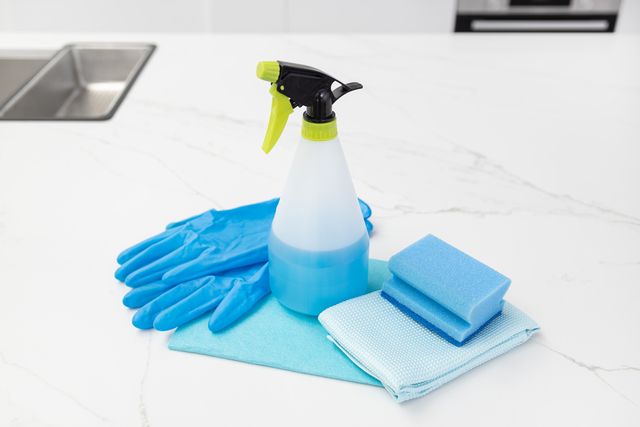
Bathrooms accumulate cleaning products quickly. Sprays, brushes, gloves, and towels often end up scattered across counters, under sinks, or piled in tubs. Finding what you need becomes time-consuming when supplies lack a dedicated system.
Different bathrooms require different storage solutions. A small powder room needs compact options. A shared family bathroom benefits from labeled zones. Cabinet depth, plumbing layout, and available wall space all influence which methods work best.
This guide covers 19 practical ways to organize cleaning supplies in bathrooms. It includes under-sink systems, wall-mounted options, cabinet inserts, and portable solutions. Each method lists required materials, step-by-step setup, and common limitations.
Safety and Preparation Before Organizing
Clear and Sort All Current Supplies
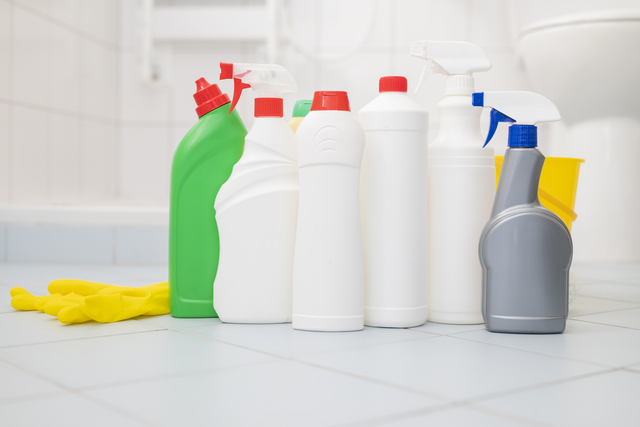
Remove every cleaning product from cabinets, shelves, and storage areas. Place items on a towel or counter. Check expiration dates and discard anything past its use period. Group products by type: sprays, liquids, powders, tools, and disposables.
Check for Leaks and Damaged Containers
Inspect each bottle and container for cracks or leaking caps. Leaking chemicals can damage cabinet finishes and create mixing hazards. Wipe down any sticky or residue-covered bottles before storing them. Transfer products in damaged containers to new spray bottles if safe to do so.
Measure Your Storage Spaces
Use a tape measure to record cabinet width, depth, and height. Note the location of plumbing pipes under sinks. Measure wall space if planning to add hooks or shelves. Write down these dimensions before purchasing organizers to ensure proper fit.
Under-Sink Pull-Out Drawer System
Install a sliding drawer unit or organizer designed for under-sink cabinets. These typically mount to the cabinet floor or side walls. Choose a model with adjustable dividers to accommodate different bottle sizes.
Measure around existing plumbing before selecting a drawer. Some models include cutouts for pipes. Secure the drawer according to manufacturer instructions using provided screws. Place taller bottles at the back and shorter items at the front for visibility.
This method works best in cabinets at least 18 inches wide. It may not fit in pedestal sink bases or very shallow vanities.
Tension Rod Divider Under the Sink
Install a spring-loaded tension rod vertically inside the cabinet. Position it 6 to 8 inches from the cabinet door. Hang spray bottles by their triggers on the rod. Stack other supplies on the cabinet floor behind the rod.
This creates a simple front-to-back zone system. The rod prevents bottles from tipping forward when you open the door. It requires no drilling or permanent installation.
Tension rods work in cabinets at least 12 inches deep. They may slip in very wide cabinets without adjustable end caps.
Stackable Bins with Labels
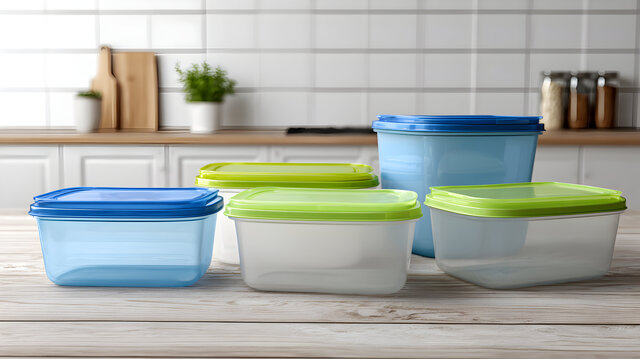
Purchase clear plastic bins in uniform sizes. Choose bins 4 to 6 inches tall to maximize vertical space. Assign one category per bin: glass cleaners, disinfectants, scrub brushes, disposable gloves, or microfiber cloths.
Label each bin using a label maker or adhesive labels. Stack bins inside cabinets or on open shelving. Pull out the entire bin to access contents instead of digging through mixed supplies.
Clear bins allow quick visual scanning. Opaque bins require front-facing labels. Replace bins if they crack or warp over time.
Over-the-Door Organizer with Pockets
Hang a fabric or plastic pocket organizer on the inside of a cabinet door. Select a model with multiple pocket sizes to fit various bottle shapes. Use adhesive strips or over-door hooks depending on door thickness and weight capacity.
Place frequently used items in top pockets for easy reach. Store backup supplies or less common products in lower pockets. Avoid overloading pockets, which can strain the organizer or door hinges.
This method works on full-height cabinet doors. It typically does not fit on short vanity doors under 24 inches tall.
Turning Trays for Corner Cabinets
Position a turning tray on the floor of a corner cabinet. Choose a model 10 to 16 inches in diameter depending on cabinet size. Group similar products together on the turntable for easier rotation.
Spin the turning tray to access items at the back without removing front bottles. This reduces clutter buildup in hard-to-reach corners. Avoid placing very tall or top-heavy bottles on turntables, as they can tip during rotation.
Turning trays require at least 2 inches of clearance around all edges. They do not work well in cabinets with center posts or plumbing obstructions.
Related Post: 21 Ways to Organize Kitchen Small Appliances in Cabinets
Wall-Mounted Magnetic Strip for Metal Tools
Attach a magnetic knife strip to the inside of a cabinet door or bathroom wall. Use mounting screws or strong adhesive depending on surface type. Hang metal cleaning tools like scissors or small brushes on the strip.
This keeps tools visible and off cabinet floors. It works best for lightweight metal items under 4 ounces each. Heavier tools may not adhere securely.
Magnetic strips require a smooth mounting surface. They do not work on textured tile or wallpaper without a backing board.
Hanging Shower Caddy for Daily Supplies
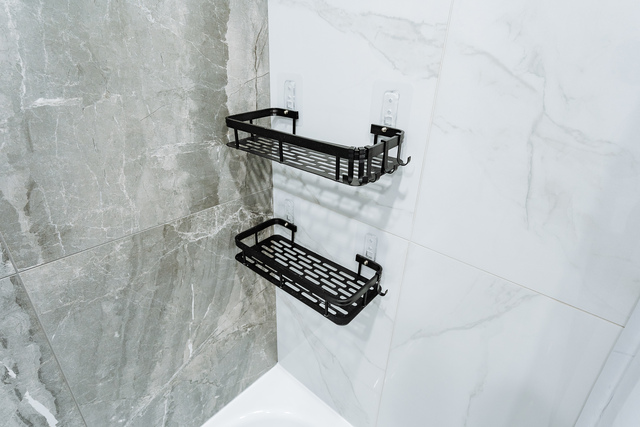
Install a rust-resistant shower caddy on the wall inside a tub or shower enclosure. Use suction cups, adhesive mounts, or tension poles depending on the model. Store only the cleaning supplies used during shower maintenance: scrub brush, tile cleaner, and mildew spray.
This keeps daily-use items separate from bulk storage. Ensure the caddy has drainage holes to prevent water pooling. Do not store bleach or ammonia-based cleaners in shower caddies, as steam can degrade containers.
Suction-mounted caddies may lose grip on textured or porous tile. Adhesive models work better on smooth surfaces.
Tiered Shelf Organizer
Place a two- or three-tier expandable shelf inside a cabinet. Adjust the width to fit your cabinet dimensions. Position taller bottles on the bottom tier and shorter items on upper levels.
Tiered shelves increase usable vertical space in deep cabinets. They allow you to see items on all levels without moving front rows. Choose models with non-slip feet to prevent sliding.
Measure cabinet height carefully. Some tiered shelves exceed 12 inches when fully extended and may not fit under low sinks.
Pegboard Panel on Cabinet Door
Cut a pegboard panel to fit the inside of a cabinet door. Secure it using small screws or adhesive velcro strips. Insert pegboard hooks to hold spray bottles, brushes, and small tools.
Rearrange hooks as needed when supplies change. This creates a customizable vertical storage system. Use metal or plastic pegs rated for the weight of cleaning bottles.
Pegboard requires at least 1 inch of clearance behind the door to accommodate hooks and hanging items. It may not work on very thin cabinet doors.
Rolling Cart for Shared Bathrooms
Purchase a narrow rolling cart 6 to 12 inches wide. Assign each shelf to a different user or product category. Roll the cart out for cleaning tasks and back into a closet or corner when finished.
This works well in bathrooms shared by multiple people. Each person can access their own supplies without searching through communal storage. Choose carts with locking wheels to prevent rolling on uneven floors.
Rolling carts require floor space for storage. They may not fit in very small bathrooms or tight spaces.
Read More: How to Organize Kitchen Cabinets in Small Spaces
Drawer Dividers for Vanity Drawers
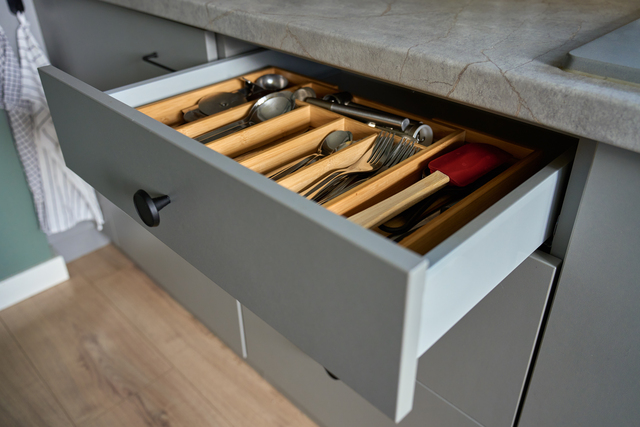
Install adjustable drawer dividers inside bathroom vanity drawers. Create compartments for sponges, gloves, scrub pads, and small bottles. Use bamboo, plastic, or expandable dividers depending on drawer dimensions.
This method organizes cleaning supplies in bathrooms with built-in drawers. It keeps small items from shifting or mixing together. Wipe dividers clean if spills occur.
Drawer dividers work best in drawers at least 3 inches deep. Very shallow drawers may only hold flat items like cloths.
Adhesive Hooks for Hanging Tools
Attach adhesive hooks to the inside of cabinet doors or walls. Hang brushes, dustpans, or squeegees by their handles or built-in loops. Space hooks 3 to 4 inches apart to prevent items from overlapping.
Adhesive hooks usually remove cleanly without damaging surfaces. Replace them if adhesive weakens over time. Follow package weight limits to prevent hooks from falling.
Hooks require a smooth, clean surface for adhesion. They may not stick to textured tile or porous wood without priming.
Plastic Caddies with Handles
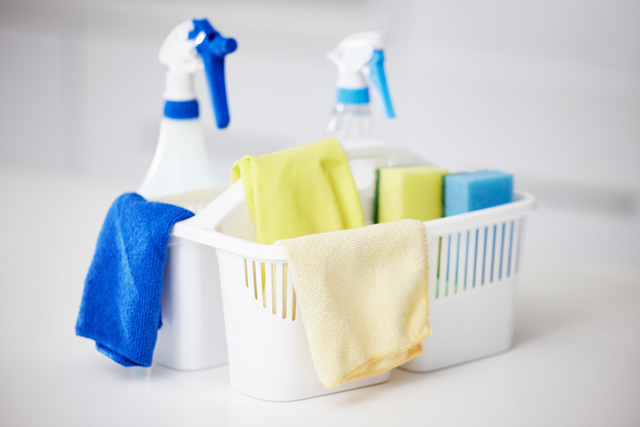
Use small plastic caddies to group related supplies. Create one caddy for toilet cleaning, another for mirror and glass, and a third for surface disinfecting. Store caddies under the sink or on a shelf.
Carry the appropriate caddy with handle to the cleaning zone instead of making multiple trips. This reduces time spent gathering supplies. Choose caddies with divided compartments to prevent bottles from tipping.
Caddies work in any bathroom size. They require shelf or cabinet space for storage when not in use.
File Organizer for Flat Items
Repurpose a desktop file organizer to hold cleaning cloths, sponges, and flat scrub pads. Stand it upright in a cabinet or on a shelf. Insert items vertically for easy selection.
This prevents cloths from becoming wadded or lost in drawers. It allows air circulation to help items dry between uses. Choose metal or plastic organizers that resist moisture.
File organizers typically measure 10 to 12 inches wide. They fit in most standard cabinets but may not work in very narrow spaces.
Under-Sink Sliding Baskets
Install wire or mesh baskets on sliding tracks under the sink. Mount tracks to the cabinet sides using screws. Pull baskets forward to access contents and push them back to close the cabinet.
Sliding baskets work well for medium-depth cabinets. They offer better visibility than fixed shelves. Avoid overloading baskets, which can damage sliding mechanisms.
This method requires at least 14 inches of cabinet depth. Baskets may interfere with existing plumbing in very crowded cabinets.
Spice Rack Repurposed for Small Bottles
Mount a narrow spice rack to the inside of a cabinet door. Use it to store small bottles of specialty cleaners, spot removers, or concentrated products. Ensure the rack’s depth matches your bottle sizes.
This maximizes unused door space. It works best for bottles under 8 inches tall. Avoid placing very heavy bottles on lightweight spice racks not designed for increased weight.
Spice racks require flat door surfaces. They may not mount securely on recessed or paneled doors.
Fabric Hanging Organizer in Linen Closet
Hang a fabric shoe organizer or closet organizer inside a linen closet near the bathroom. Dedicate pockets to different cleaning supplies. Place the organizer on the back of the closet door or on a rod inside.
This keeps bathroom cleaning supplies separate from general household products. It works well when bathroom storage is limited. Choose water-resistant fabric to prevent moisture damage.
Fabric organizers require hook or rod mounting space. They may not fit in very shallow closets.
Also Read:
- 19 Ways to Organize Kitchen Under the Sink for Easy Access
- How to Organize Kitchen Wooden Spoons and Spatulas
- 15 Ways to Organize Kitchen Mixing Bowls
Clear Acrylic Trays for Grouping
Place clear acrylic trays on shelves or in cabinets. Group products by task or frequency of use on each tray. Slide trays out to access items at the back.
Acrylic trays contain spills and prevent products from spreading across shelves. They wipe clean easily. Choose trays with raised edges at least 1 inch high for spill containment.
Trays add 1 to 2 inches of height to stored items. Measure vertical clearance before purchasing to ensure cabinet doors close properly.
Utility Bucket with Divided Insert
Place a plastic utility bucket with a divided insert under the sink or in a closet. Sort supplies into bucket compartments: one for brushes, one for gloves, one for small bottles. Carry the entire bucket when cleaning multiple bathrooms.
This creates a portable cleaning station. It works well for houses with multiple bathrooms. Choose buckets 10 to 12 inches tall to fit under most sinks.
Buckets require floor space for storage. They may tip if placed on uneven surfaces or overfilled.
For more helpful tips, check out our organization section.