14 Kitchen Organization Mistakes That Make Clutter Worse
This site contains affiliate links, view the disclosure for more information.
Many homeowners create organization systems that actually increase kitchen clutter instead of reducing it. Kitchen organization mistakes often result from mismatched storage solutions, poor placement decisions, and systems that conflict with daily cooking habits. These errors waste space, slow down meal preparation, and create visual chaos on counters and in cabinets.
Different kitchens require different approaches based on layout, cabinet depth, drawer configuration, and household size. A system that works in a large pantry may fail in limited cabinet space. Organization methods designed for minimalist cooks won’t serve families who batch-cook or bake frequently.
This guide identifies 14 specific kitchen organization mistakes that worsen clutter problems. It covers storage placement errors, container selection issues, zone planning failures, and maintenance breakdowns. Each section explains the mistake and provides correction steps you can implement immediately.
1. Storing Items Far From Their Point of Use
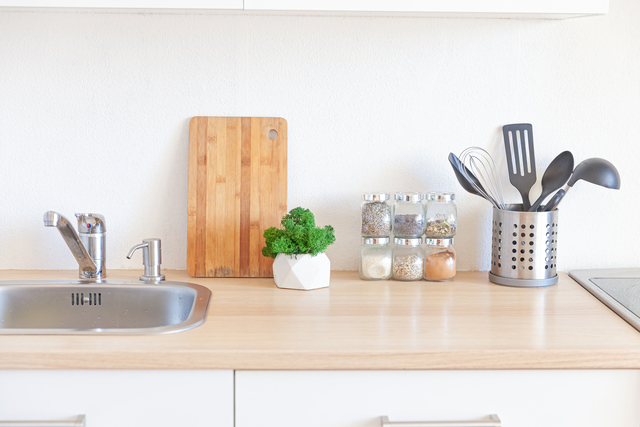
Placing items away from where you actually use them creates unnecessary movement and encourages counter piles. Coffee mugs stored across the kitchen from the coffee maker typically end up clustered near the machine. Cooking utensils kept far from the stove will accumulate on nearby counters.
Identify your primary work zones before assigning storage locations:
- Coffee and breakfast prep area
- Main cooking zone near the stove
- Baking and mixing station
- Food storage and lunch-packing area
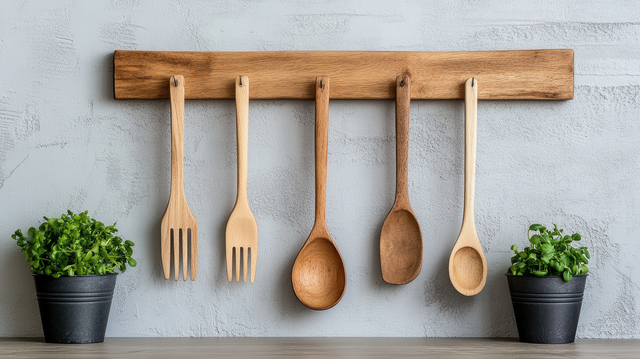
Store items within one step of where you use them. Keep spatulas, wooden spoons, and oils within arm’s reach of the stove. Place coffee filters, mugs, and sweeteners next to the coffee maker.
Do not organize by item category if it conflicts with workflow. Storing all containers in one distant cabinet creates inefficiency and counter clutter.
2. Using Too Many Small Containers and Bins
Excessive containers fragment storage space and make items harder to locate quickly. Multiple small bins create visual clutter, waste vertical space, and add unnecessary layers between you and stored items. Each container you open slows access and decision-making.
Limit containers to items that genuinely need containment:
- Loose packets and small multiples
- Items prone to tipping or spilling
- Small tools that get lost in large drawers
Use one appropriately sized container instead of several small ones. Choose clear containers to eliminate the need to open and search. Label only when contents aren’t immediately visible through the container.
Remove excess packaging when it adds bulk without providing protection or needed information. Keep original boxes only if you need cooking instructions or expiration dates printed on them.
3. Ignoring Vertical Cabinet Space
Cabinets with empty vertical space above stored items waste 30-50% of available storage capacity. Single-level storage in tall cabinets forces you to stack items directly on top of each other, making lower items inaccessible.
Install shelf risers to create two usable levels within existing cabinets. Place less-used items on the upper level and frequently accessed items on the lower level. Choose adjustable risers that accommodate different container heights.
Use stackable organizers with open fronts for canned goods, jars, and boxed items. This design allows visibility and access from both levels. Avoid solid bins that hide bottom layer contents completely.
Mount adhesive hooks or slim racks on the inside of cabinet doors for lightweight items like measuring cups or pot lids. Verify that added items don’t interfere with door closure or hit shelved items when opening.
4. Creating Overly Broad or Narrow Categories
Vague categories like “kitchen stuff” or “cooking tools” provide no useful organization framework. Overly specific categories like separating wooden spoons from silicone spoons create unnecessary complexity and too many storage locations to remember.
Define categories by combining function and frequency of use:
- Daily cooking tools (used 4+ times per week)
- Baking supplies and tools
- Serving and entertaining pieces
- Specialty appliances and seasonal items
Each category should contain items you typically use together for the same type of task. Test your categories by mentally walking through common tasks and noting whether needed items are grouped together.
Limit yourself to 8-12 main categories in an average kitchen. More categories typically indicate over-subdivision. Fewer categories suggest items aren’t differentiated enough for efficient retrieval.
Read More: 19 Ways to Organize Kitchen Under the Sink for Easy Access
5. Buying Storage Solutions Before Decluttering
Purchasing containers, shelves, and organizers before removing unnecessary items leads to storing clutter instead of eliminating it. Pre-bought solutions often don’t fit actual needs or available space after you remove unused items.
Follow this sequence:
- Remove expired food, broken items, and unused duplicates
- Identify what remains and how you use it
- Measure available storage spaces
- Select storage solutions based on actual items and dimensions
Take photos of cabinet and drawer interiors with measurements before shopping for organizers. Note odd dimensions like shallow shelves or narrow drawers that require specific solutions.
Wait 1-2 weeks after decluttering before buying permanent storage solutions. Your needs may become clearer as you use the pared-down kitchen.
6. Stacking Heavy Items on Top of Light Ones
Placing heavy appliances, large pots, or full containers on top of lighter items makes retrieval difficult and potentially unsafe. This common kitchen organization mistake forces you to move heavy items every time you need something underneath, often resulting in items left on counters.
Organize shelves and cabinets with heavier items on lower levels:
- Bottom shelves: heavy pots, small appliances, bulk items
- Middle shelves: medium-weight items used frequently
- Top shelves: lightweight items and infrequently used pieces
Within each shelf, place heavier items toward the back if they’re used less often. Position lighter, frequently used items toward the front where they’re accessible without moving other items.
Avoid stacking more than two heavy items vertically. Deeper stacks create instability and retrieval problems that lead to counter clutter.
7. Using Deep Drawers Without Dividers
Deep drawers without internal organization become chaotic catchalls where small items sink to the bottom and get lost. Utensils mix together, tools tangle, and you waste time searching through jumbled contents.
Install adjustable drawer dividers to create designated zones:
- Separate cooking utensils from serving utensils
- Create a zone for measuring tools
- Dedicate space for frequently used small tools
Choose dividers that expand to fit your drawer dimensions exactly. Loose dividers shift during use and allow items to migrate between sections. Spring-loaded or customizable systems work better than fixed-size organizers.
For utensil drawers, use slotted organizers that keep items separated and visible. Avoid deep bins where items pile on top of each other.
Also Read: 21 Ways to Organize Kitchen Small Appliances in Cabinets
8. Storing Infrequently Used Items in Prime Space
Keeping specialty appliances, seasonal tools, or rarely used serving pieces in the most accessible cabinets wastes prime storage real estate. This kitchen organization mistake forces frequently used items into awkward locations, creating inefficiency and counter clutter.
Audit your item usage honestly:
- Daily use: main cooking tools, everyday dishes, coffee supplies
- Weekly use: baking tools, specific pots, food storage containers
- Monthly or less: specialty appliances, seasonal items, entertaining pieces
Store daily-use items between waist and eye level in the most accessible cabinets and drawers. Place weekly-use items in slightly less convenient locations. Reserve high shelves, deep lower cabinets, and areas requiring a step stool for infrequent items.
Move your waffle maker, fondue set, or ice cream maker to basement, garage, or high cabinet storage if you use them less than once per month.
9. Failing to Utilize Corner Cabinet Space Effectively
Standard corner cabinets with fixed shelves create dead space that’s difficult to access and see. Items placed in the back corners get forgotten and become clutter that takes up valuable room.
Install corner cabinet solutions based on your cabinet type:
- Turning trays for base corner cabinets with items you access frequently
- Pull-out shelving systems for deeper access and visibility
- Tiered organizers for upper corner cabinets with lighter items
For diagonal corner cabinets, use pull-out drawers or sliding systems that bring rear items forward. Avoid storing small items loose in corners where they’ll fall behind larger items.
If corner cabinet solutions aren’t feasible, store only large, infrequently used items there like roasting pans, large serving platters, or bulk paper goods that you can reach easily.
10. Choosing Opaque Containers for Food Storage
Solid-colored or opaque containers hide contents and expiration dates, leading to forgotten food, waste, and duplicate purchases. You can’t see what you have without opening multiple containers, which slows meal prep and encourages leaving items out.
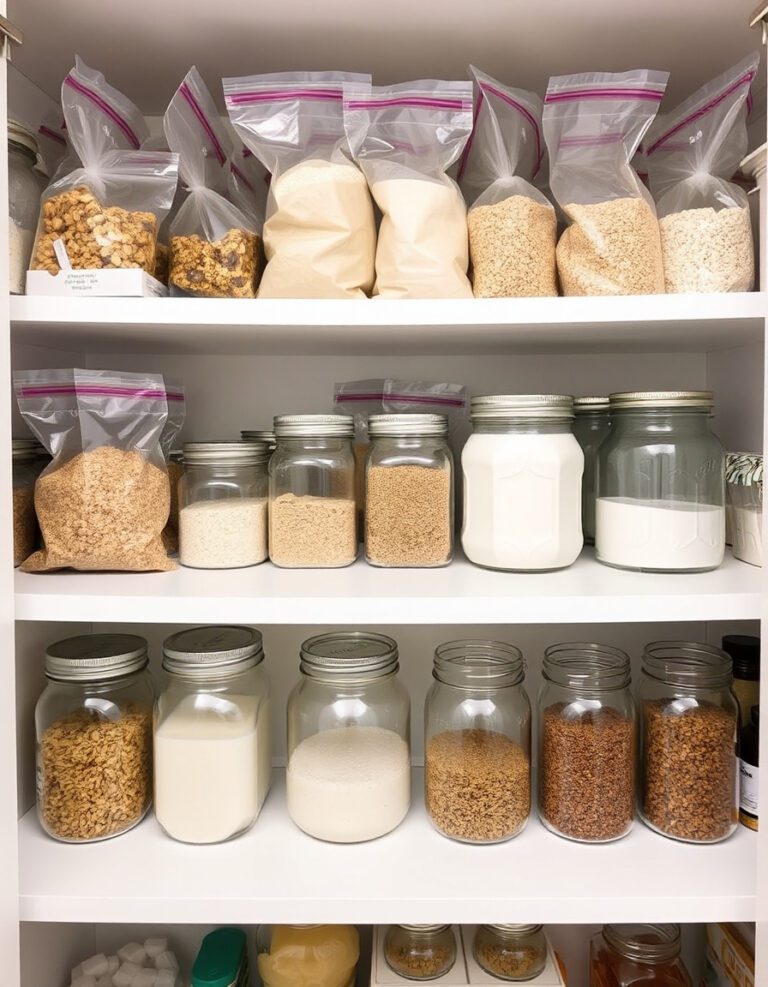
Select clear food storage containers whenever possible. Glass or clear plastic allows you to identify contents, assess quantities, and spot expiration at a glance. This visibility reduces food waste and prevents overbuying.
For pantry organization:
- Use clear containers for flour, sugar, rice, and pasta
- Choose clear bins for snacks, baking chips, and small packets
- Store dry goods in same-size stackable containers for efficient use of shelf depth
Label containers only on the lid or use removable labels. This allows you to reassign containers without label residue issues.
11. Neglecting the Back of Lower Cabinets
Items placed in the rear of deep lower cabinets become inaccessible without removing everything in front. This kitchen organization mistake creates “dead inventory” that you forget about and eventually repurchase.
Install pull-out shelves or sliding drawers in base cabinets deeper than 18 inches. These systems bring rear items forward for full visibility and access. Choose ball-bearing slides rated for the weight you’ll store.
For cabinets without pull-out systems:
- Use turntables for items like oils, vinegars, and condiments
- Place frequently used items in front rows only
- Store only large, infrequently used items in back positions
Measure cabinet depth before purchasing pull-out systems. Standard options fit 24-inch-deep cabinets, but custom solutions may be needed for non-standard dimensions.
12. Overloading Drawer and Shelf Weight Capacity
Placing too much weight on shelves or in drawers causes sagging, sticking, or structural damage. Overloaded storage becomes difficult to access and eventually fails, creating safety hazards and forcing items onto counters.
Check manufacturer weight ratings for shelves and drawer slides. Most standard drawer slides support 75-100 pounds, while heavy-duty slides handle 100-150 pounds.
Distribute weight across multiple shelves or drawers:
- Split heavy pot and pan collections across two drawers
- Store cast iron cookware on lower, reinforced shelves
- Keep small appliances separated rather than clustered
Add shelf support pins or brackets if shelves show any sagging. Most cabinet systems allow you to add intermediate support points.
Read More:
- How to Organize Kitchen Wooden Spoons and Spatulas
- How to Organize Kitchen Cabinets in Small Spaces
- How to Organize Kitchen Utensils in a Messy Drawer
13. Ignoring Maintenance and Reset Routines
Even well-designed organization systems fail without regular maintenance. Skipping daily resets and periodic reviews allows clutter to accumulate gradually until the system breaks down completely.
Implement a daily 5-minute kitchen reset:
- Return items to designated storage locations
- Clear counters of items that migrated during the day
- Wipe down surfaces and remove trash
Schedule monthly organization reviews:
- Remove expired food from pantry and refrigerator
- Assess whether current zones still match your workflow
- Adjust storage locations based on actual usage patterns
Reset your system immediately when you notice items consistently ending up in the wrong location. This typically indicates a storage zone mismatch that needs correction.
14. Copying Organization Systems Without Customization
Implementing someone else’s kitchen organization system without adapting it to your space, habits, and needs often creates more problems than it solves. Pinterest-worthy solutions may not match your cabinet dimensions, cooking style, or household size.
Evaluate any organization method against your specific situation:
- Does your cabinet depth accommodate the recommended organizers?
- Do you actually cook or bake enough to need specialized zones?
- Does your household size justify the container quantities shown?
Start with one small area or category when testing a new method. Implement a utensil drawer organizer or single cabinet solution before committing to a whole-kitchen approach.
Modify systems to fit your actual behavior patterns. If you never put items back in complex multi-step storage systems, choose simpler single-step solutions even if they look less sophisticated.
For more helpful tips, check out our organization section.