How to Organize Kitchen Drawers Without Dividers
This site contains affiliate links, view the disclosure for more information.
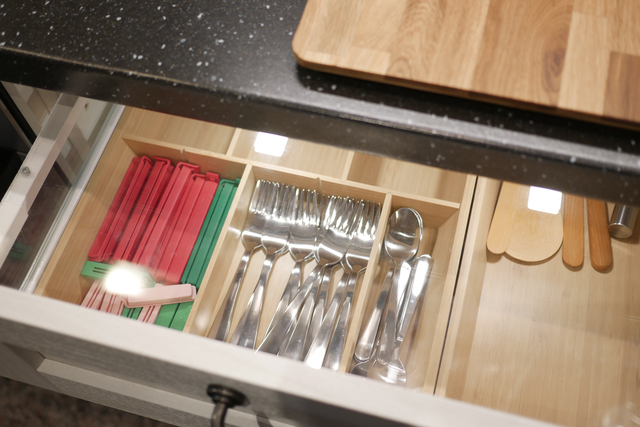
Kitchen drawers can become cluttered quickly without a clear system in place. Many homeowners want to organize kitchen drawers but do not have commercial dividers on hand. Fortunately, you can create functional drawer zones using everyday household items and simple folding techniques.
This guide covers practical methods to organize kitchen drawers using items you likely already own. Each approach requires minimal cost and can be implemented immediately. The methods work for utensils, tools, linens, and small kitchen gadgets.
Assess Drawer Contents and Remove Unnecessary Items
Empty the drawer completely onto a clean counter or table. This allows you to see everything at once and make decisions about what to keep.
Sort items into three groups: frequently used, occasionally used, and rarely used. Remove items that belong in other rooms or have not been used in over a year. Wipe down the empty drawer with a damp cloth and let it dry before reorganizing.
This step prevents you from organizing items that do not need drawer space. It also reduces the total volume you need to contain.
Use Small Boxes and Containers as Makeshift Dividers
Cardboard boxes from tea, crackers, or small electronics can be cut to fit inside drawers. Measure the interior height of your drawer before trimming box sides. Leave at least half an inch of clearance so the drawer opens smoothly.
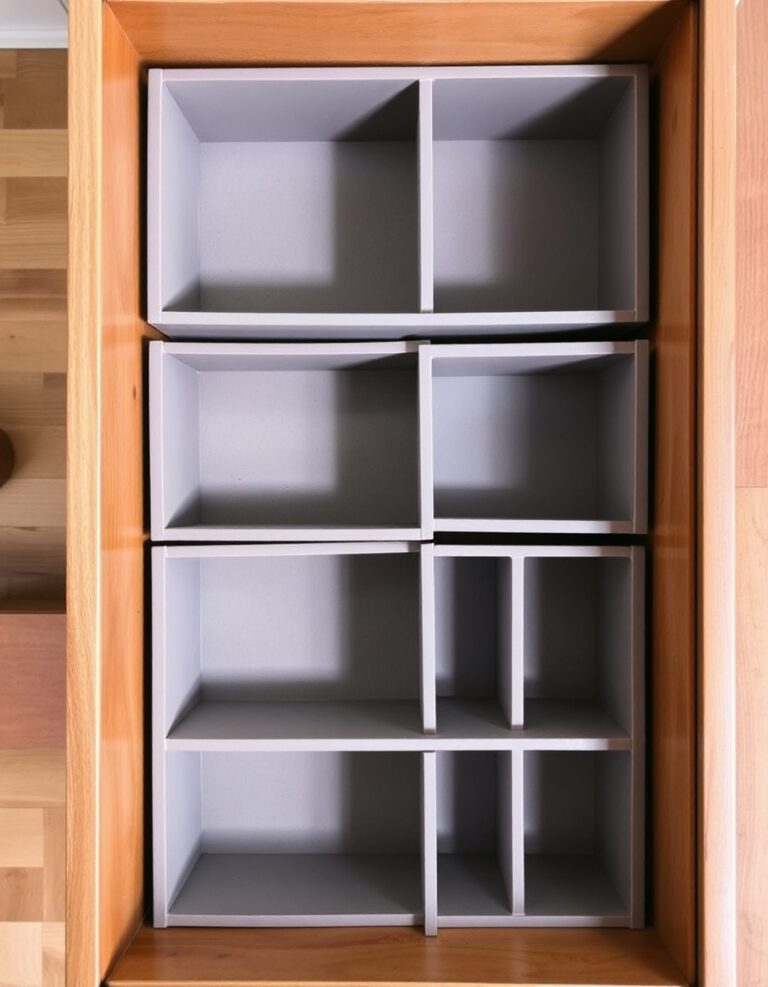
Arrange boxes in a grid pattern to create zones for different item types. Tape boxes together along their edges if they shift during use. This method works well for organizing kitchen drawers that hold small tools like measuring spoons, bag clips, or corksccrews.
Plastic food storage containers without lids also function as dividers. Choose containers with straight sides for maximum space efficiency. Avoid containers taller than three-quarters of the drawer depth.
Create Dividers from Folded Cardboard or Foam Board
Cut cardboard or foam board into strips that match the interior depth of your drawer. Each strip should be slightly shorter than the drawer’s interior height to allow smooth closure.
Create interlocking slots by cutting halfway through two strips at perpendicular angles. Slide the strips together to form a cross or grid. Add more strips as needed to create additional compartments.
This method allows custom sizing for irregularly shaped items. Foam board is sturdier than cardboard and holds its shape longer under repeated use. Both materials can be replaced easily when they wear out.
Organize Utensils with Rolled Dish Towels or Cloth Napkins
Roll clean dish towels lengthwise into tight cylinders. Place rolled towels along the length or width of the drawer to create soft barriers between utensil types.
Position spatulas, wooden spoons, and whisks in separate sections formed by the towel rolls. The fabric prevents metal utensils from scratching each other and reduces noise when the drawer opens and closes.
This approach works best for wide, shallow drawers. Replace towels periodically as they flatten from use. You can secure towel rolls with rubber bands if they unroll frequently.
Use Drawer Liners with Non-Slip Backing to Anchor Items
Non-slip drawer liners create friction that keeps items from shifting during drawer movement. Cut the liner to fit the drawer base precisely, leaving no gaps along the edges.
Place items directly on the liner in organized rows or clusters. The liner prevents lightweight items like tea infusers or small measuring cups from sliding into corners.
Choose liners that are easy to remove and wash. Avoid adhesive liners that leave residue when removed. Non-slip liners are available at most home goods stores and online retailers.
Related Post: 6 Fixes for Cabinets With Hard to Reach Corner Space
Group Similar Items with Rubber Bands or Twist Ties
Bundle similar utensils together using rubber bands or reusable twist ties. Group items by function rather than size for easier retrieval.
For example, bundle all pastry brushes together or secure multiple sets of measuring spoons. Keep bundled items upright or lay them flat depending on drawer depth.
Check rubber bands monthly for signs of brittleness or breakage. Replace as needed to prevent items from scattering. This method works well for temporary organization while you plan a more permanent system.
Repurpose Ice Cube Trays and Egg Cartons for Small Items
Plastic or silicone ice cube trays fit neatly inside most drawers and provide individual compartments for tiny items. Use them to organize kitchen drawers that hold twist ties, small clips, or single-use condiment packets.
Paper egg cartons work similarly but are less durable. They are suitable for rarely opened drawers or items that do not require frequent access. Trim the carton edges if they prevent the drawer from closing fully.
Both options are disposable and cost-effective. Replace them when they become stained or damaged.
Store Flat Items Vertically Using Binder Clips
Attach large binder clips to the back edge of the drawer to hold flat items upright. Slide cutting boards, baking sheets, or pot lids into the clip handles.
This method maximizes vertical space and makes items easier to see and retrieve. Ensure clips are secured firmly to prevent them from detaching when the drawer moves.
Binder clips are reusable and adjustable. Remove them without leaving marks or residue. This technique is particularly useful for organizing kitchen drawers that hold bakeware or serving trays.
Line Drawers with Pegboard for Adjustable Layouts
Cut a piece of thin pegboard to fit the interior dimensions of your drawer. Place it flat on the drawer base or attach it using small adhesive pads.
Insert dowels or pegs into the holes to create movable barriers. Adjust peg placement as your storage needs change. This system accommodates items of varying sizes without permanent dividers.
Pegboard is available at hardware stores in multiple thicknesses. Choose a thickness that does not reduce drawer depth significantly. Sand rough edges before installation to prevent splinters.
Also Read: 7 Fixes for Kitchen Drawers That Overfill Too Easily
Use Mason Jar Lids or Small Plates as Separators
Place mason jar lids flat in the drawer to create circular zones for small items. Stack lids if needed to increase compartment walls slightly.
Small plates or saucers also function as barriers between item groups. Arrange them in rows or clusters depending on the drawer layout. Both options are easy to remove for cleaning and rearrangement.
Avoid breakable ceramic in drawers that open and close frequently. Opt for plastic or melamine alternatives if durability is a concern.
Secure Loose Items with Velcro Strips
Attach adhesive-backed Velcro strips to the drawer base and the bottom of items you want to keep stationary. This prevents tools like thermometers or timers from sliding around.
Use the hook side on the drawer and the loop side on the item for easiest removal. Press firmly to ensure strong adhesion. Remove Velcro strips carefully to avoid damaging drawer surfaces.
This method is reversible and does not require permanent modification. It works best for lightweight items that tend to shift during drawer use.
Read More:
- How to Organize Kitchen Wooden Spoons and Spatulas
- How to Organize Kitchen Cabinets in Small Spaces
- How to Organize Kitchen Utensils in a Messy Drawer
Fold and Stack Linens Using the File Folding Method
Fold dish towels, napkins, or small tablecloths into uniform rectangles. Store them upright in rows like files in a cabinet rather than stacking flat.
This technique allows you to see each item without lifting others. It also prevents the bottom items from becoming wrinkled or forgotten. Adjust fold size to match drawer width.
File folding reduces visual clutter and makes retrieval faster. It is especially effective for organizing kitchen drawers dedicated to textiles.
Maintain Organization Without Permanent Dividers
Check drawer contents weekly and return misplaced items to their designated zones. Adjust makeshift dividers as needed when items are added or removed.
Clean dividers and liners monthly to prevent buildup of crumbs or spills. Replace worn materials promptly to maintain structure. Label zones with removable tape if multiple people use the kitchen.
Organizing kitchen drawers without dividers requires occasional upkeep. Consistent maintenance prevents the system from breaking down over time.
For more helpful tips, check out our organization section.