How to Organize Kitchen Coffee and Tea Stations
This site contains affiliate links, view the disclosure for more information.
A well-organized coffee and tea station improves morning routines and keeps counters clear. This guide covers practical methods to organize kitchen coffee and tea stations using storage tools, zoning strategies, and layout planning. The steps work for small counters, cabinets, or dedicated beverage bars.
Most setups benefit from grouping items by use frequency and container type. You will learn how to assess your space, select storage solutions, and maintain the system over time.
Assess Your Space and Inventory
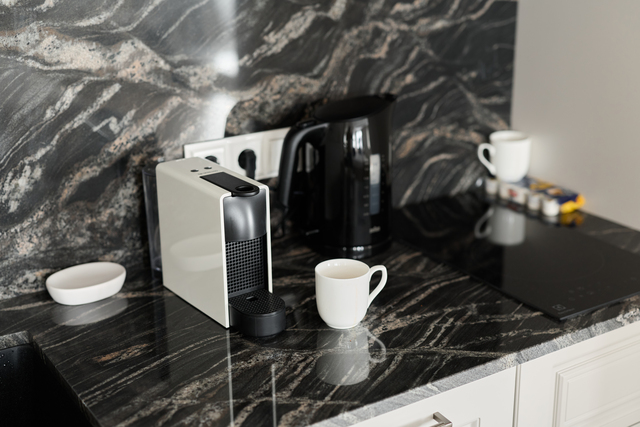
Start by measuring the area available for your station. Note counter depth, cabinet height, and proximity to water and power outlets. This determines which storage options fit.
Remove all coffee and tea items from current locations. Group them by category: brewing equipment, beverages, add-ins, and accessories. Discard expired products and broken tools.
Count how many mugs, pods, tea bags, and containers you use weekly. This number guides storage capacity needs.
Choose a Primary Station Location
Select a spot near your coffee maker or kettle. The location should allow easy access to water and avoid high-traffic walkways. Counter space next to an outlet works best for electric brewers.
If counter space is limited, use a cabinet or cart. Rolling carts provide flexibility and can be moved when not in use. Wall-mounted shelves work in narrow kitchens.
Keep the station at least 12 inches from the stove or sink to prevent heat damage and water splatter.
Sort Items into Functional Zones
Divide your station into three zones: brewing, consumables, and preparation. The brewing zone holds the coffee maker, kettle, and filters. The consumables zone stores beans, tea bags, and pods. The preparation zone contains mugs, spoons, and sweeteners.
Place the most-used items at eye level or within arm’s reach. Less-used items like specialty teas or backup supplies go on higher or lower shelves.
Keep heavy appliances on the counter or lowest shelf. Stack lighter items above.
Select Storage Containers and Tools
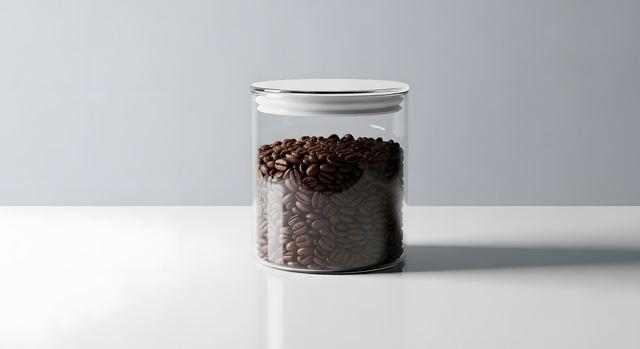
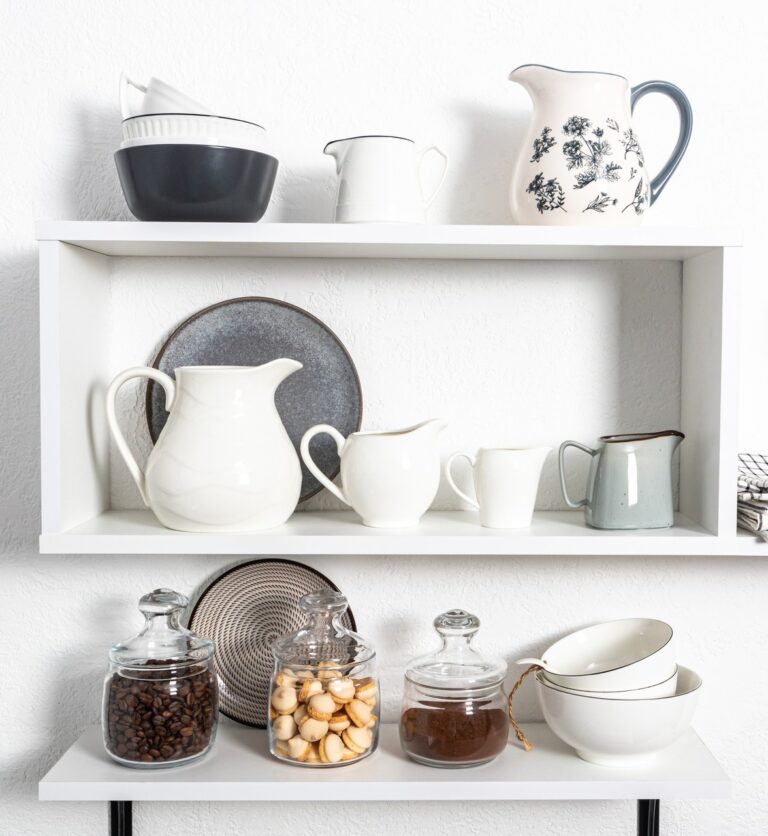
Use airtight containers for coffee beans and loose-leaf tea. Glass or ceramic jars with rubber seals preserve freshness better than plastic. Label each container with contents and roast or blend date.
Choose containers that fit your space. Stackable square or rectangular bins maximize cabinet storage. Round canisters work on open shelves.
For tea bags, use divided organizers or tiered racks. Clear acrylic boxes allow quick visual scanning. Drawer inserts keep packets flat and organized.
Related Post: 6 Fixes for Cabinets With Hard to Reach Corner Space
Install Vertical Storage Solutions
Mount hooks under cabinets to hang mugs. This frees counter and shelf space. Use adhesive hooks on tile or screw-in hooks on wood surfaces.
Add a slim shelf riser inside cabinets to create two levels. This doubles usable space for small items like sugar packets and stirrers.
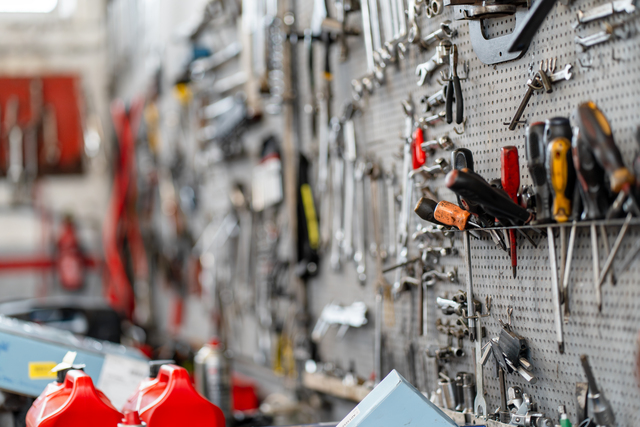
Install a pegboard or grid panel on the wall for flexible tool storage. Hang scoops, measuring spoons, and dish towels on movable pegs.
Organize Coffee Supplies
Store coffee pods in a drawer organizer or tiered rack. Arrange by flavor or roast level for quick selection. Keep the drawer or rack near the brewer to streamline the process.
Place whole beans in airtight containers on the counter or in a cabinet. Store ground coffee the same way. Label each container with the roast date to track freshness.
Keep filters in a shallow bin or wall-mounted holder. Place them directly above or beside the coffee maker.
Organize Tea Supplies
Use a multi-compartment box for tea bags. Sort by type: black, green, herbal, and specialty blends. This makes it easy to find the right tea without searching.
Store loose-leaf tea in small tins or jars with tight lids. Keep them in a cool, dark cabinet if your station gets direct sunlight. Light and heat degrade tea quality.
Place a tea infuser or strainer in a small dish or hook near the kettle. Keep extra infusers in a drawer if you serve multiple types of tea daily.
Arrange Add-Ins and Accessories
Group sweeteners and creamers in a single tray or bin. This keeps them contained and easy to move during cleaning. Use small pitchers or dispensers for sugar and powdered creamer.
Store spoons and stirrers in a cup or utensil holder. Place it near the preparation zone so users can grab them quickly. Avoid loose spoons in drawers—they create clutter.
Keep napkins and coasters in a flat tray or tiered stand. Stack them vertically to save space.
Also Read: 7 Fixes for Kitchen Drawers That Overfill Too Easily
Use Drawer Dividers for Small Items
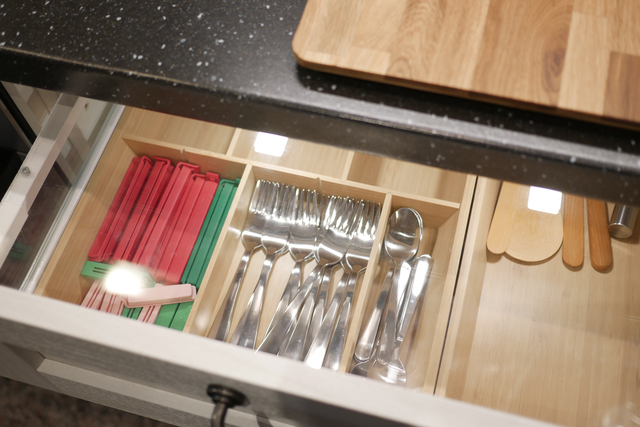
Insert adjustable dividers in drawers to separate pods, tea bags, and packets. This prevents items from shifting and mixing together. Each section should hold one category.
Place measuring scoops and small utensils in narrow compartments. Keep backup supplies like extra filters or stirrers in the back sections.
Line the drawer with non-slip liner to prevent containers from sliding. This works especially well for drawers that open and close frequently.
Label All Containers and Zones
Use a label maker or waterproof markers to identify contents. Include the item name and date for perishables. This helps everyone in the household find what they need.
Label shelves or bins for brewing equipment, add-ins, and accessories. Clear labels reduce the chance of items being returned to the wrong spot.
Replace labels when they fade or peel. This maintains the system’s usability over time.
Maintain Daily and Weekly Routines
Wipe down the station each evening. Remove spills, crumbs, and used pods. This prevents buildup and keeps the area ready for morning use.
Refill containers once a week or when they run low. Check expiration dates on creamers and syrups during refills. Discard anything past its date.
Reorganize the station monthly to adjust for changing preferences or new products. Move rarely used items to storage and bring frequently used items forward.
Read More:
- How to Organize Kitchen Wooden Spoons and Spatulas
- How to Organize Kitchen Cabinets in Small Spaces
- How to Organize Kitchen Utensils in a Messy Drawer
Manage Cords and Appliance Placement
Use cord clips or ties to bundle excess appliance cords. Secure them to the wall or underside of shelves. This reduces visual clutter and prevents tangling.
Place appliances with short cords closest to outlets. Avoid using extension cords in wet areas to reduce shock risk.
Position the coffee maker or kettle so the spout faces away from the edge. This prevents accidental spills when pouring.
Store Backup Supplies Separately
Keep extra coffee, tea, and filters in a pantry or upper cabinet. Do not overload the station with bulk supplies. This maintains a clean, uncluttered appearance.
Rotate stock by placing new items behind older ones. Use the oldest products first to prevent waste.
Transfer bulk items into smaller containers for the station. Refill as needed rather than storing large bags or boxes in the active zone.
Address Limited Counter Space
Use a tiered corner shelf or turning trays to maximize small surfaces. These tools make use of vertical space without expanding the footprint.
Mount a fold-down shelf that flips up when not in use. This provides temporary workspace for preparing drinks.
Consider a coffee cart with wheels. Roll it out during use and store it in a pantry or corner afterward.
Clean and Inspect Storage Tools
Wash containers and organizers monthly with warm soapy water. Rinse thoroughly and dry completely before refilling. Moisture can cause mold or degrade labels.
Check hooks and shelves for stability. Tighten screws or replace adhesive mounts if they loosen.
Wipe down appliances according to manufacturer instructions. Descale coffee makers and kettles as recommended to maintain performance.
Set Boundaries for the Station
Decide what belongs in the station and what does not. Exclude items unrelated to coffee and tea preparation, such as snacks or dishes.
Communicate the system to household members. Show them where items go and how to maintain the setup.
Reassess the station every few months. Adjust zones or storage tools as routines or preferences change.
For more helpful tips, check out our organization section.